Landscaping ideas that work for Sydney homes
Landscaping ideas that hold up in Sydney conditions, from planting and privacy screens to drainage, levels, paving and lower-maintenance layouts.
In this guide
Contents
Key takeaways
- Outdoor living goals should shape the layout before materials or plants are chosen.
- Sydney landscaping works best when planting, drainage, and privacy are considered together.
- A lower-maintenance garden usually comes from choosing fewer, better-suited features.
Good landscaping in Sydney usually balances outdoor living, planting, drainage, privacy and a garden that will still be manageable in years to come.
Start with how you want to use it
A lot of Sydney landscaping projects improve dramatically once the main goal is clear. Some households want a better entertaining zone, others want more privacy, easier circulation, stronger street appeal, or a garden that feels tidier without becoming harder to maintain.
That purpose should shape the layout first. It is usually easier to choose paving, planting, turf, or feature elements once you know how the space actually needs to function day to day.
Match the idea to the problem
| If the problem is | Consider |
|---|---|
| Patchy or hot lawn | Turf replacement, soil improvement, and shade-aware lawn choice |
| Water sitting after rain | Drainage correction, grading, or a changed lawn and bed layout |
| Awkward access | Stepping stones, paved paths, clear edges and enough room to move through safely |
| No useful entertaining space | A paved or level area connected to the house and garden |
| Overgrown beds | Planting simplification, mulch, edging, and ongoing maintenance |
| Sloping ground | Retaining, terracing, and safe transitions between levels |
Judge ideas against finished jobs
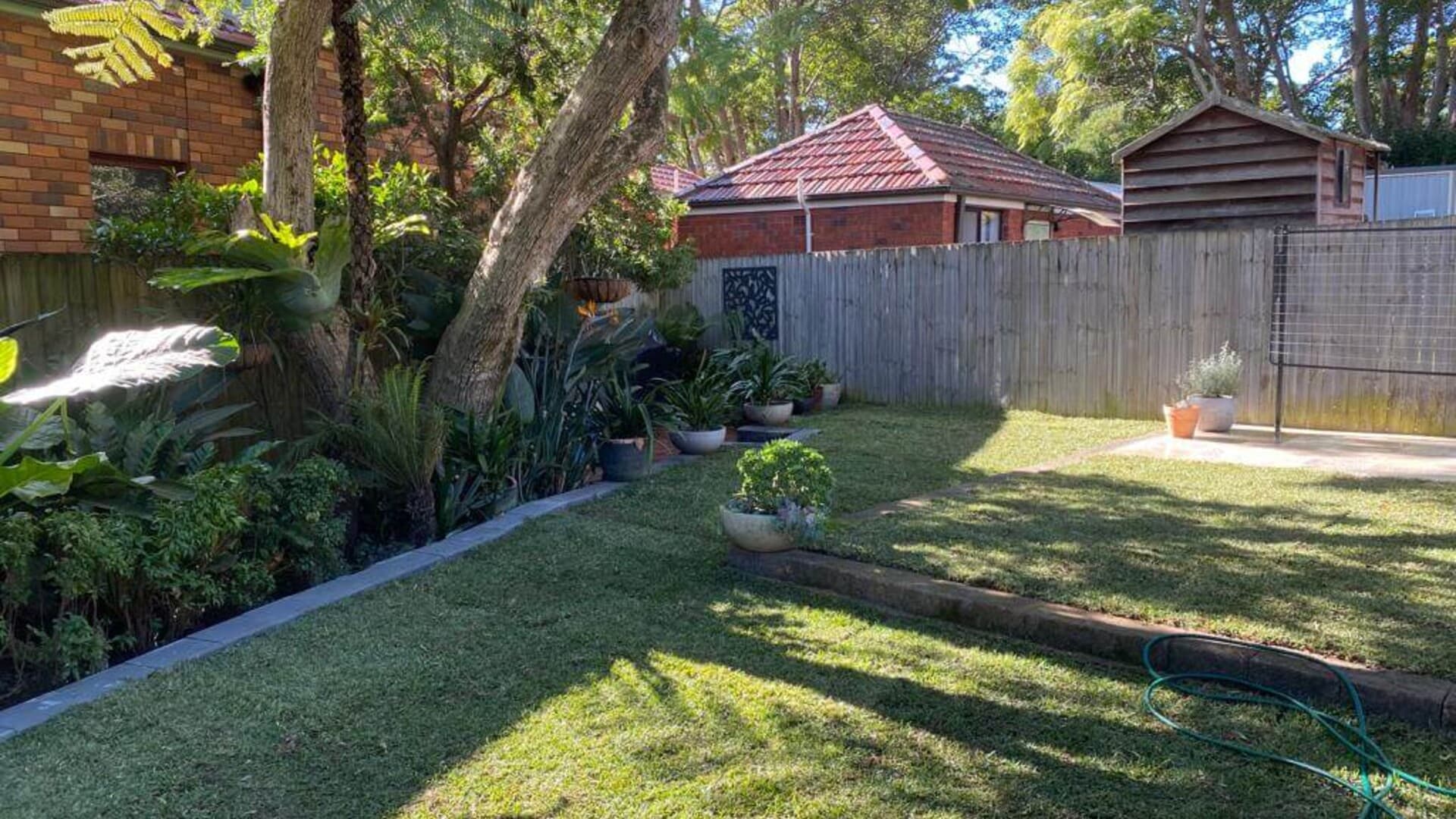
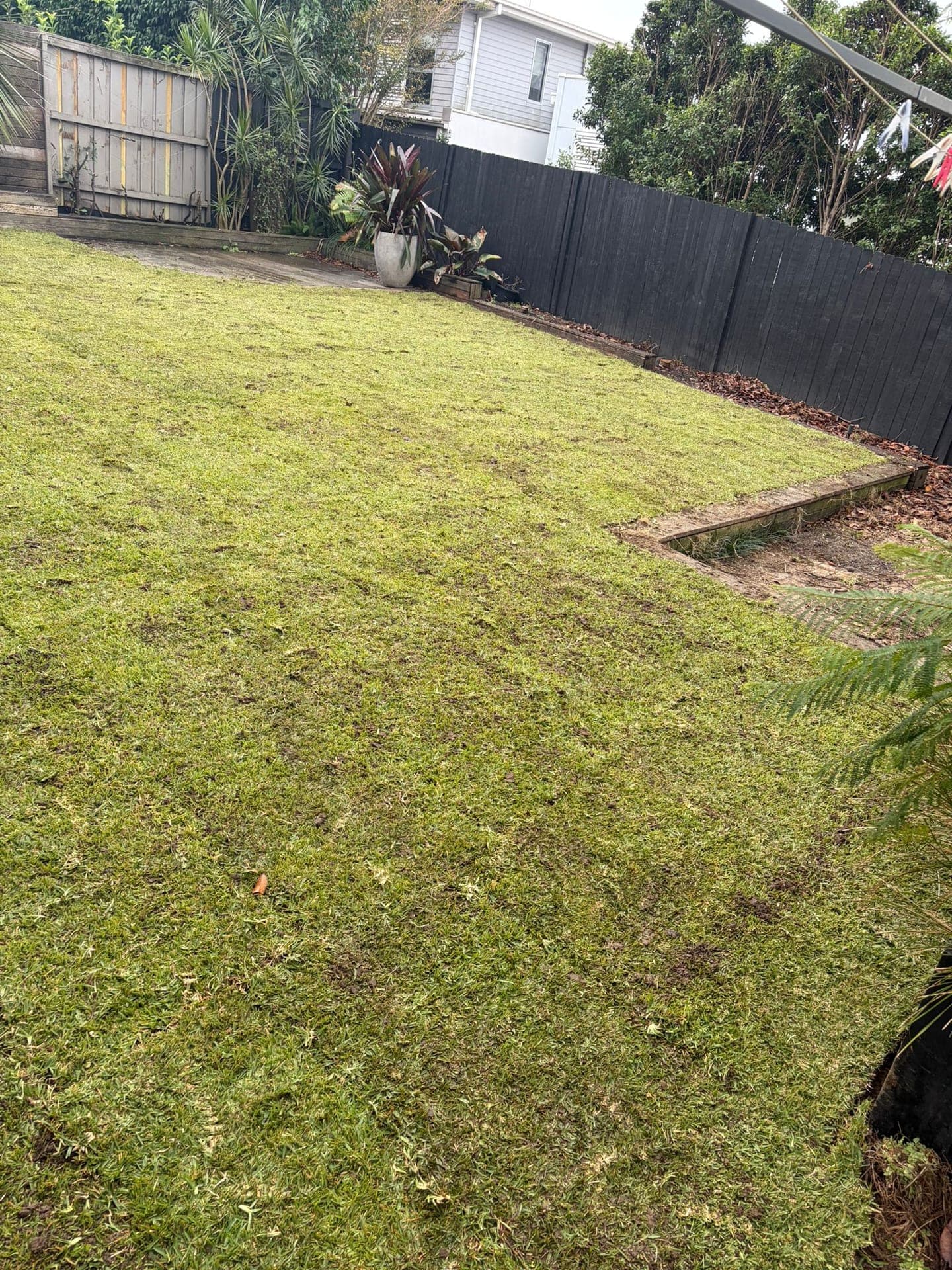
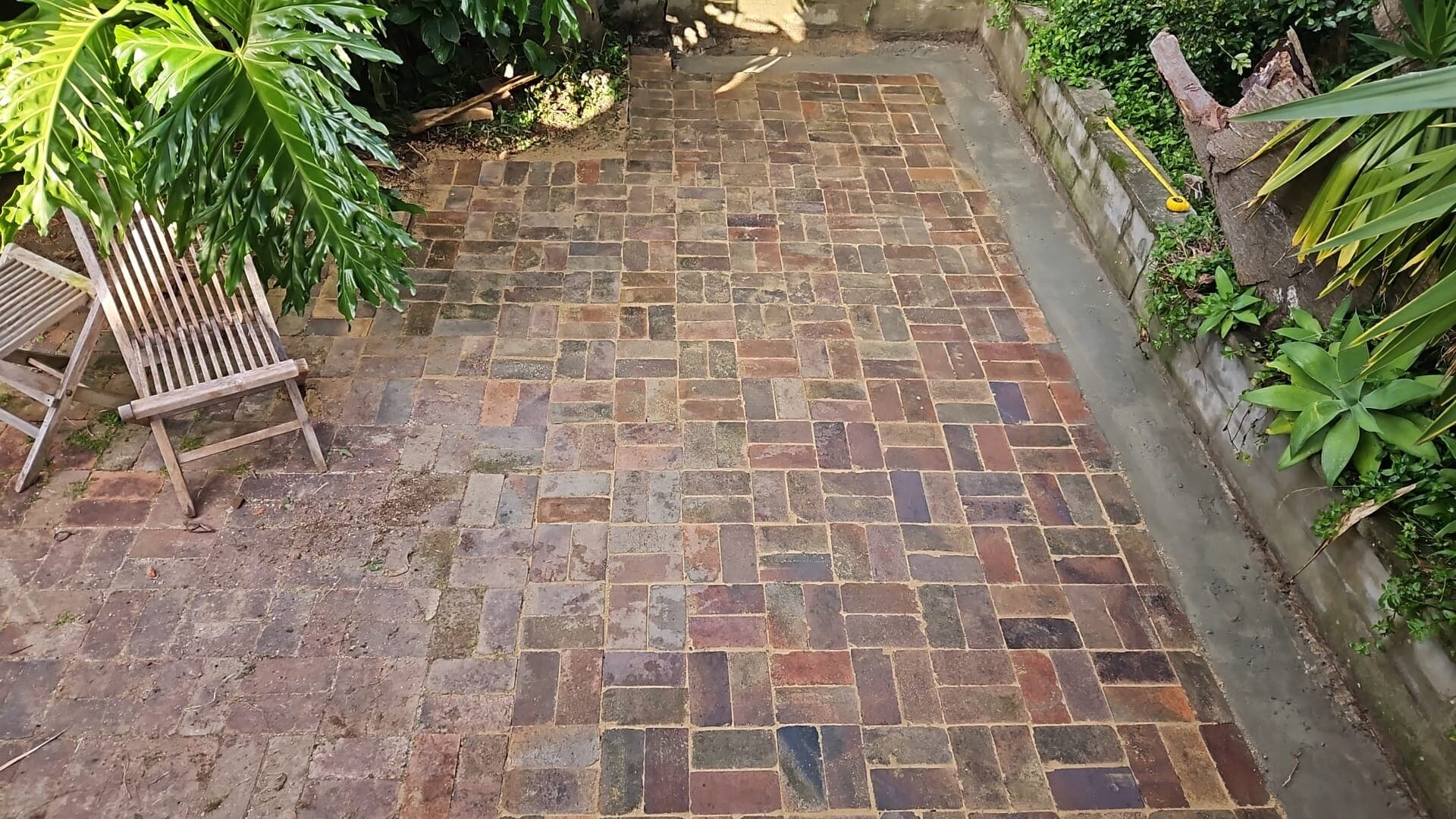
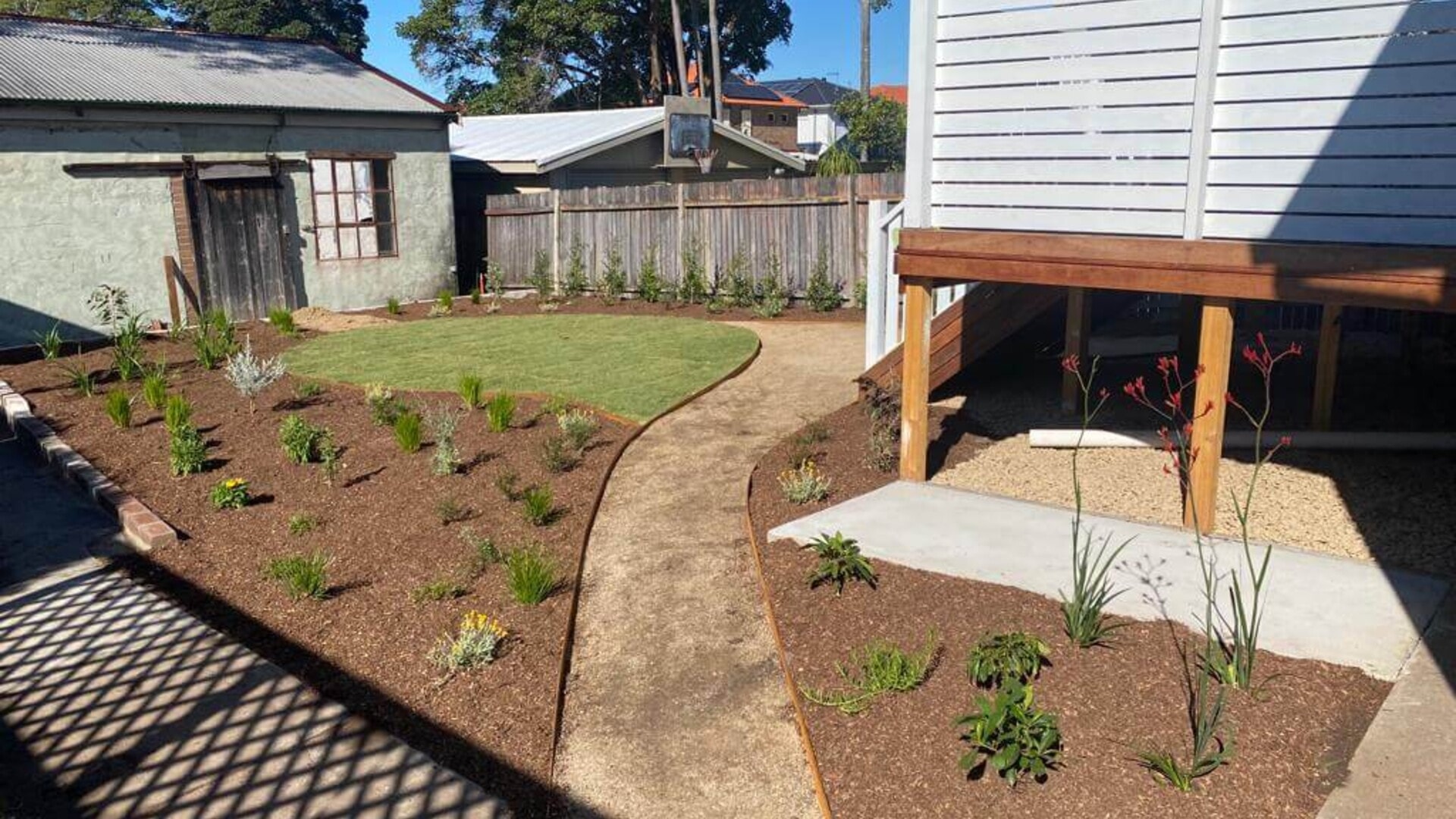
Ideas are more useful when you can see how similar work performs on real properties. A Willoughby lawn replacement shows how drainage and levels affect turf. Davidson shows how turf and paving can define an outdoor area. Naremburn shows how paths, lighting, and turf can make a garden more usable. Artarmon shows how paving, drainage, and a side garden bed can work together in a tight area.
Those are not design trends. They show how landscaping choices can solve site problems and make outdoor areas easier to use.
Keep the first stage small enough to finish
Many good landscaping ideas fail because the first stage is too broad. A better approach is to finish the work that changes daily use first: drainage, levels, a safe path, a usable lawn, or a defined entertaining area. Planting and finishing details can then be added around a layout that already works.
That does not mean starting without a plan. It means planning the whole site, then doing the work in the right order. For some Sydney homes that might be turf and drainage first. For others it might be paving, retaining or a garden bed rebuild that gives the rest of the yard structure.
Avoid features that only add work
A new feature should solve a real problem or improve how the space is used. More planting, more edging, or more surfaces can look appealing at first, but if they add upkeep without fixing access, privacy, water, or lawn condition, the garden may become harder to live with.
Plant for the conditions you actually have
Sydney gardens usually cope best when the planting palette matches sun exposure, soil, drainage, and the level of care the owner is realistically going to maintain. A design that looks impressive on install day but needs constant reshaping, watering, or replacement can become frustrating quickly.
That is why lower-fuss screening plants, groundcovers, structured shrubs, and a restrained planting palette often work better than chasing a busier look. The garden can still feel polished, but the upkeep stays more realistic.
Let levels, drainage and privacy set the layout
Some of the best Sydney landscaping ideas are not purely decorative. Better drainage, improved steps or access paths, more useful edges, and cleaner privacy screening can change how the whole property feels without overcomplicating the design.
Sloping blocks, exposed areas and awkward side access all benefit from planning that treats layout and construction issues — including retaining walls where levels need managing — as part of the design rather than afterthoughts. The garden tends to work better when those site problems are solved early.
Keep the finished garden manageable
A lower-maintenance finish does not mean the garden has to look plain. It usually means choosing materials, planting, and layout decisions that age well, stay easier to clean up, and do not demand constant intervention to keep them looking finished.
Restraint often helps. A tighter palette, sensible edging, durable surfaces, and planting that grows into the available space usually produce a better long-term result than trying to add too many competing elements at once.
The property always changes the plan
The strongest landscaping ideas in Sydney are usually the ones that fit the actual property. Sun, privacy, drainage, levels, and how the household uses the space will all change what makes sense on site.
Abloom Landscaping & Gardening has been delivering landscaping projects across Sydney since 1995, planning the layout, planting, construction and future upkeep together. If you are thinking about an outdoor upgrade, request a free on-site quote and we will come and look at the property.
Good starting points by property
The best idea is usually the one that makes the quote clearer. If the landscaper understands how you use the garden and what is not working now, the job is far less likely to drift into disconnected extras.
| Property | A good starting point |
|---|---|
| Compact courtyard | Sharper planting, cleaner edging, better drainage, and one clear usable zone |
| Family backyard | New turf, durable paths, defined beds, and a layout that can handle regular use |
| Sloped block | Drainage, retaining where needed, safer transitions, and staged level changes |
| Tired front garden | Entry path, lawn edge, planting structure, and a cleaner street-facing finish |
| Poolside or side access | Paving, drainage correction, narrow bed planting, and surfaces that stay usable |
| Repeated lawn failure | Base preparation, turf choice, water movement, and aftercare before another install |
These directions do not need to make the project larger. They help separate the work that changes daily use from decorative additions that can wait until the main outdoor area is functioning properly.
Write down the one thing that matters most
Before anyone comes out, write down the main thing you want the space to do better: entertaining, drainage, privacy, safer access, a lawn you can use, or simply less work.
If there is more than one, put them in order. A clear priority is what lets us recommend fewer, better changes instead of a longer list of features that look good and fix nothing.