
Retaining Walls · Collaroy
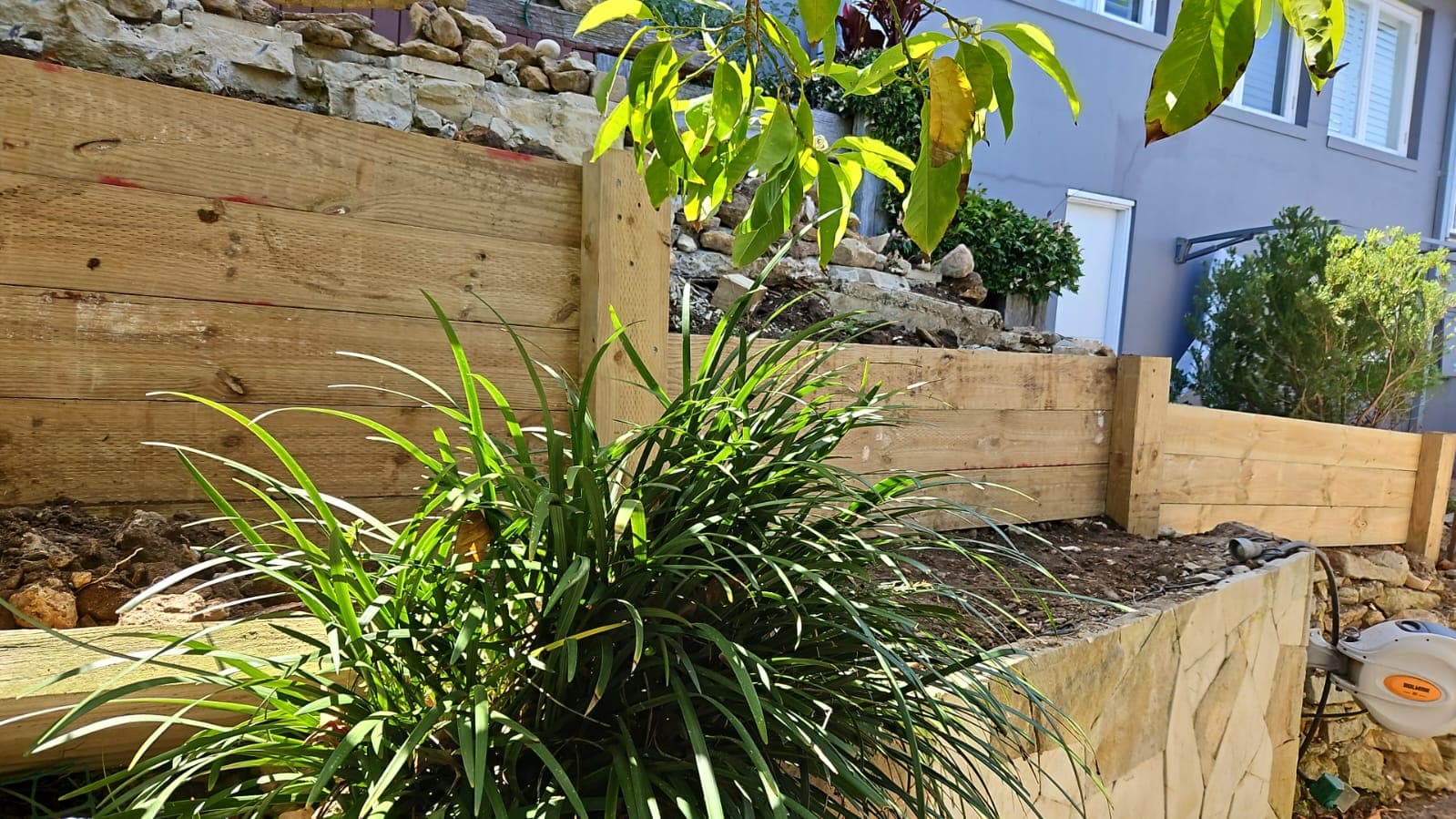
Collaroy timber retaining wall
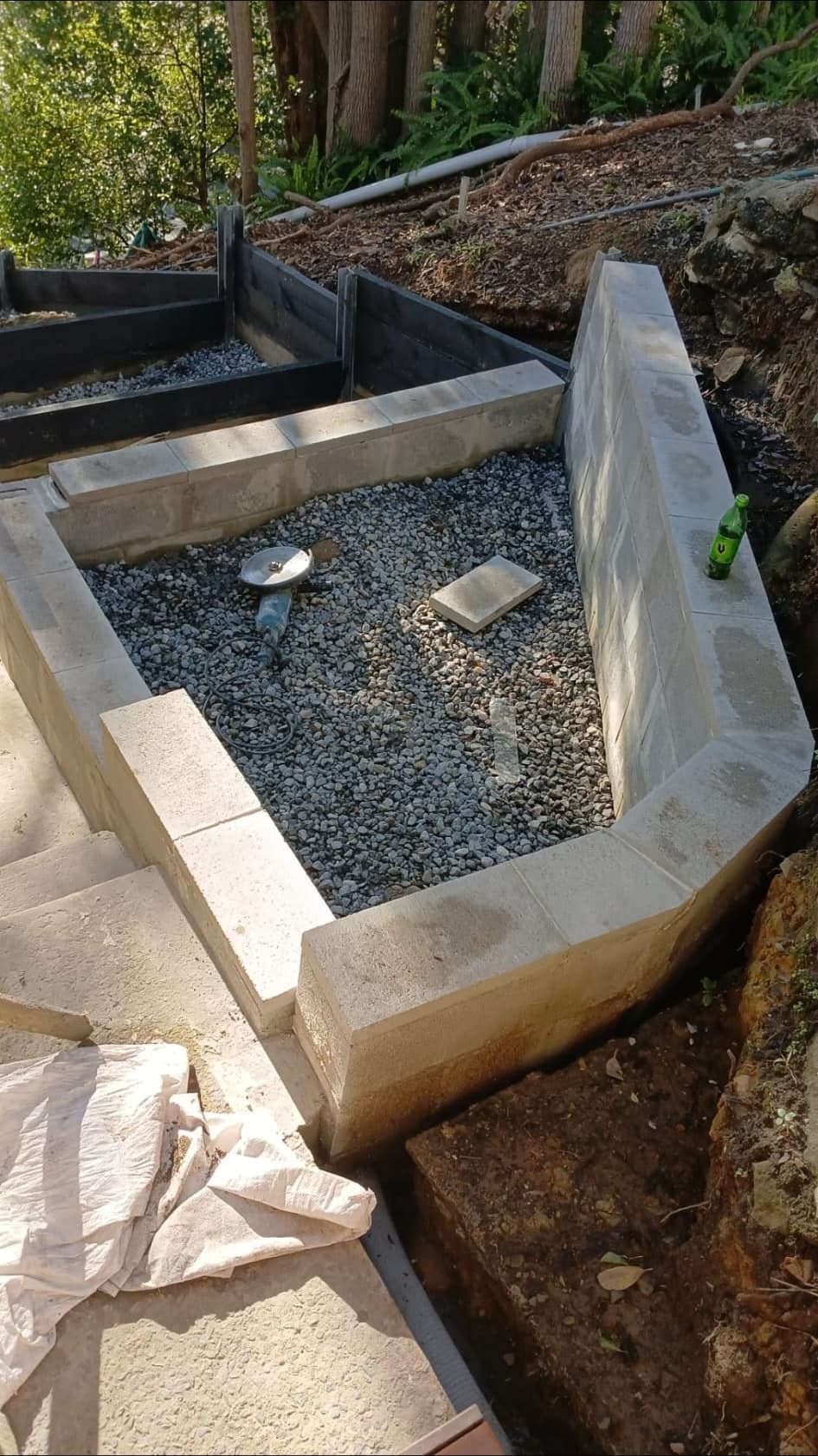
Timber retaining wall built on a steep slope in Collaroy to stop soil erosion and manage water runoff. Photos from the full build.
View project
Retaining walls for sloping Sydney blocks, failed walls, drainage problems and better garden levels, built in concrete block, timber or sandstone. Walls we have built include jobs in Mosman, Collaroy, Wahroonga and Hornsby Heights.
47 Google reviews
Free quote
Send your suburb, a few photos and a short description of the job.
New and replacement walls for sloping ground, failed timber or block walls, drainage and level changes.
Water trapped behind a wall adds pressure, so the drainage has to be planned with the structure rather than added later. We put up new walls and replace ones that are leaning, cracking, rotting or letting soil through. Before we recommend timber, concrete block or sandstone, we check the height, slope, soil, water, access and what sits above and below the wall, and we flag any approval or engineering work that has to be sorted before building starts.
Sandstone can suit a natural stone finish beside the house, steps or garden, while timber and block suit other sites; our retaining wall guide explains what we compare.
The size of the wall, excavation, footing, drainage, materials and access all affect the quote. The approval rules below decide whether a certificate, council consent or an engineer is needed first.
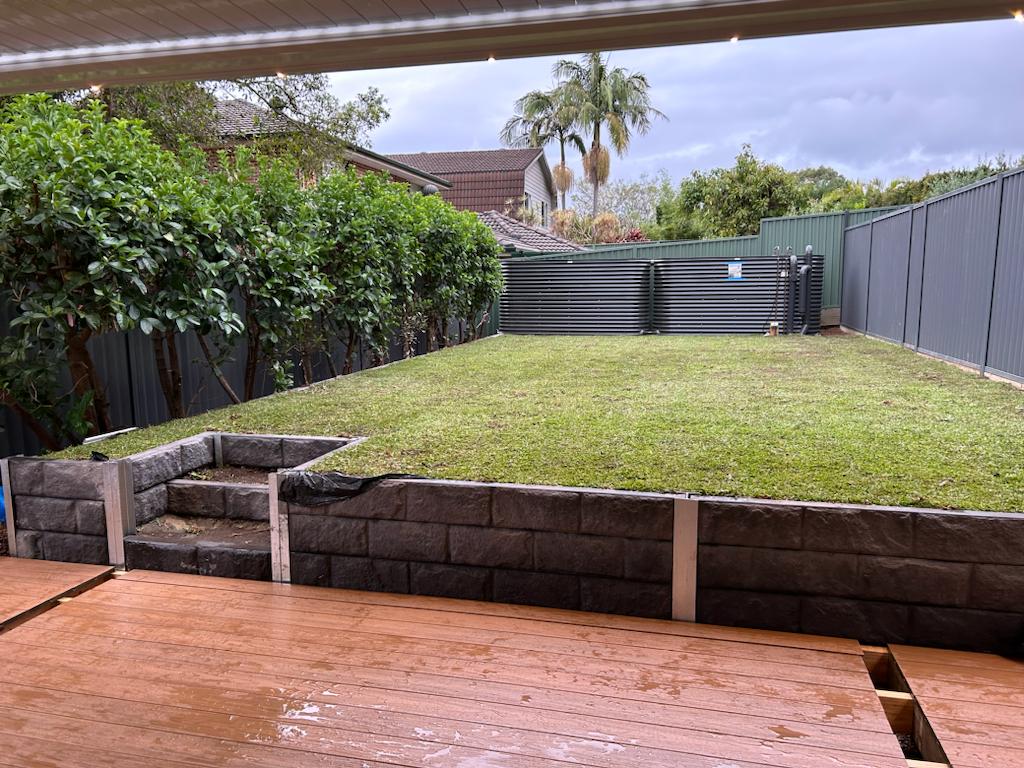
The wall types, footings, drainage, backfill and finishing work needed to hold the ground properly.
We measure the slope and levels, check the soil and where water runs, and look at the fences, driveways, buildings and other loads around the wall. That tells us what wall and footing the site needs.
Reinforced concrete block suits sites that need more height, more strength or a rendered finish. The footing, steel, filled blocks and drainage are built for the wall and the ground it is holding.
Hardwood or treated pine sleepers work well for lower walls and garden terraces. We set the posts at the right depth and spacing and install drainage, which is what most leaning old sleeper walls were missing.
We assess the retained height, the load above and access before recommending sandstone. The natural stone finish still needs a suitable structure and drainage for the ground it holds.
Depending on the site we use ag-pipe, gravel, weep holes and a suitable discharge point before the wall is backfilled, so rain cannot build up behind it.
Related service: LandscapingWe take out leaning, cracked, bowing or rotten walls and rebuild with the right footing, posts or reinforcement, drainage and material for the weight of soil behind it.
We turn a steep or awkward part of the yard into flatter garden areas with stepped walls. We work out the wall heights and soil movement so the new levels are usable and connect safely.
Related service: PavingWe finish around the wall with garden beds, turf, paving or paths so the new structure reads as part of the yard rather than a separate job bolted on.
Related service: GardeningThe NSW rules that decide whether a wall needs approval, and what sits under the ground. Each point links to the official source.
A wall up to 600 mm high, with no more than 600 mm of cut or fill, can be exempt development. The other main conditions: at least 1 m from every boundary, registered easement, sewer main and water main, 2 m from any other retaining wall, and drainage connected to the property’s stormwater.
Over 600 mm, a wall needs complying development with a professional engineer certifying it, or a development application to council. We flag this before building starts, and the written quote says what the approval and engineering involve.
In a heritage conservation area only a rear-yard wall can be exempt, and on a heritage-listed property, a flood control lot or environmentally sensitive land no wall is. Your council’s planning map or a planning certificate shows which applies.
NSW legislation: Codes SEPP, clauses 2.29 and 2.30(c)Checked
If the wall needs development consent, Sydney Water must also approve the plans through its Tap in service, with a closer assessment near its pipes. Before You Dig Australia supplies free plans of those pipes, so the footing line can be checked first.
A retaining wall is structural landscaping, so a job over $5,000 including GST needs a contractor licence and a written contract with a deposit of no more than 10%; over $20,000 it also needs a five-day cooling-off period and Home Building Compensation cover. Our work is licensed under NSW contractor licence 291815C (Structural Landscaping).
NSW Government: structural landscaping licencesNSW Government: contracts for residential building workChecked
Before-and-after jobs showing failed walls, excavation, drainage, construction and the finished garden. Each one opens the full photo set.
Retaining Walls · Collaroy
Timber retaining wall built on a steep slope in Collaroy to stop soil erosion and manage water runoff. Photos from the full build.
View project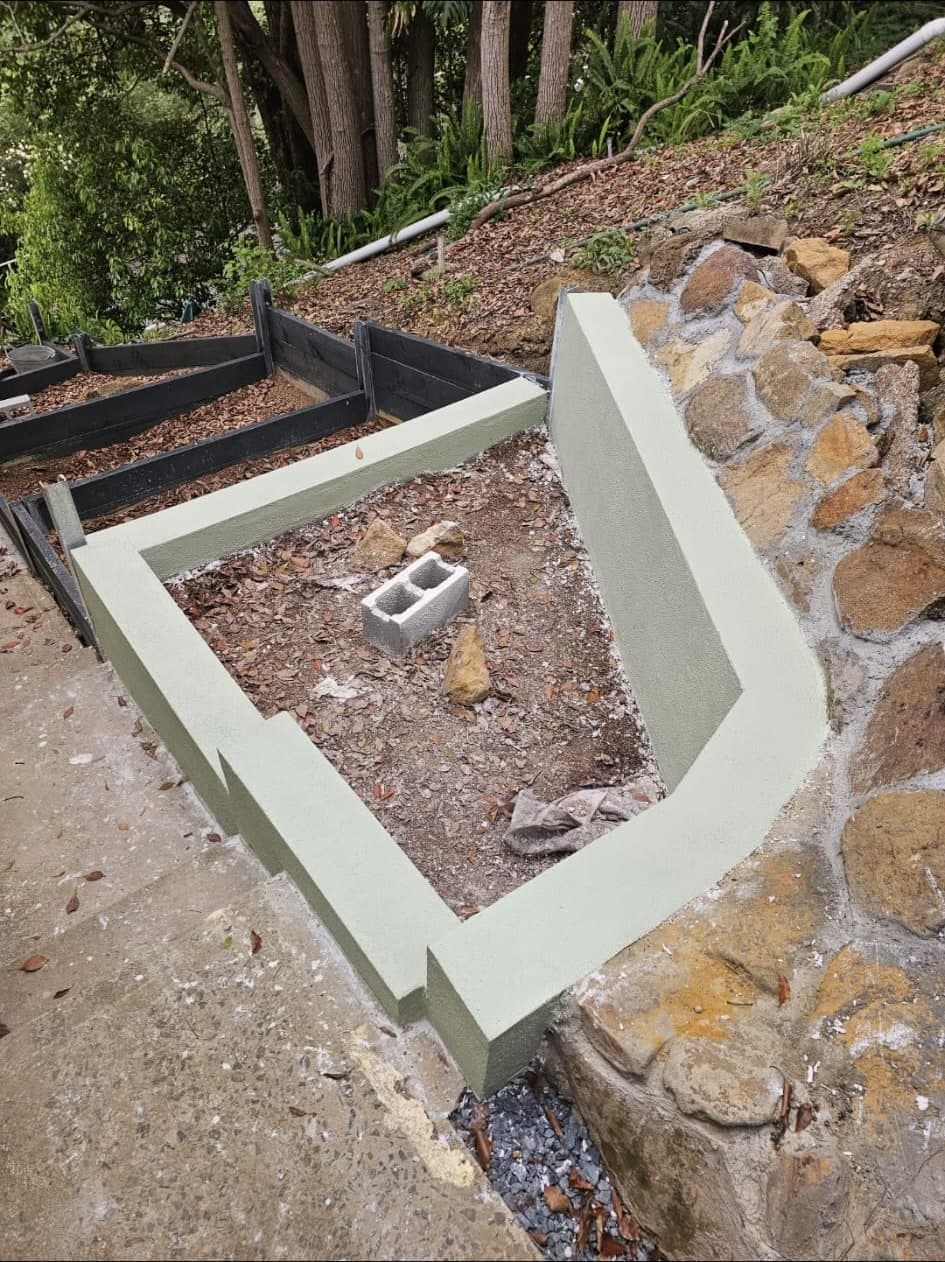
Old timber retaining walls replaced in Mosman with new timber and rendered besser block walls, new garden beds, and corrected drainage.
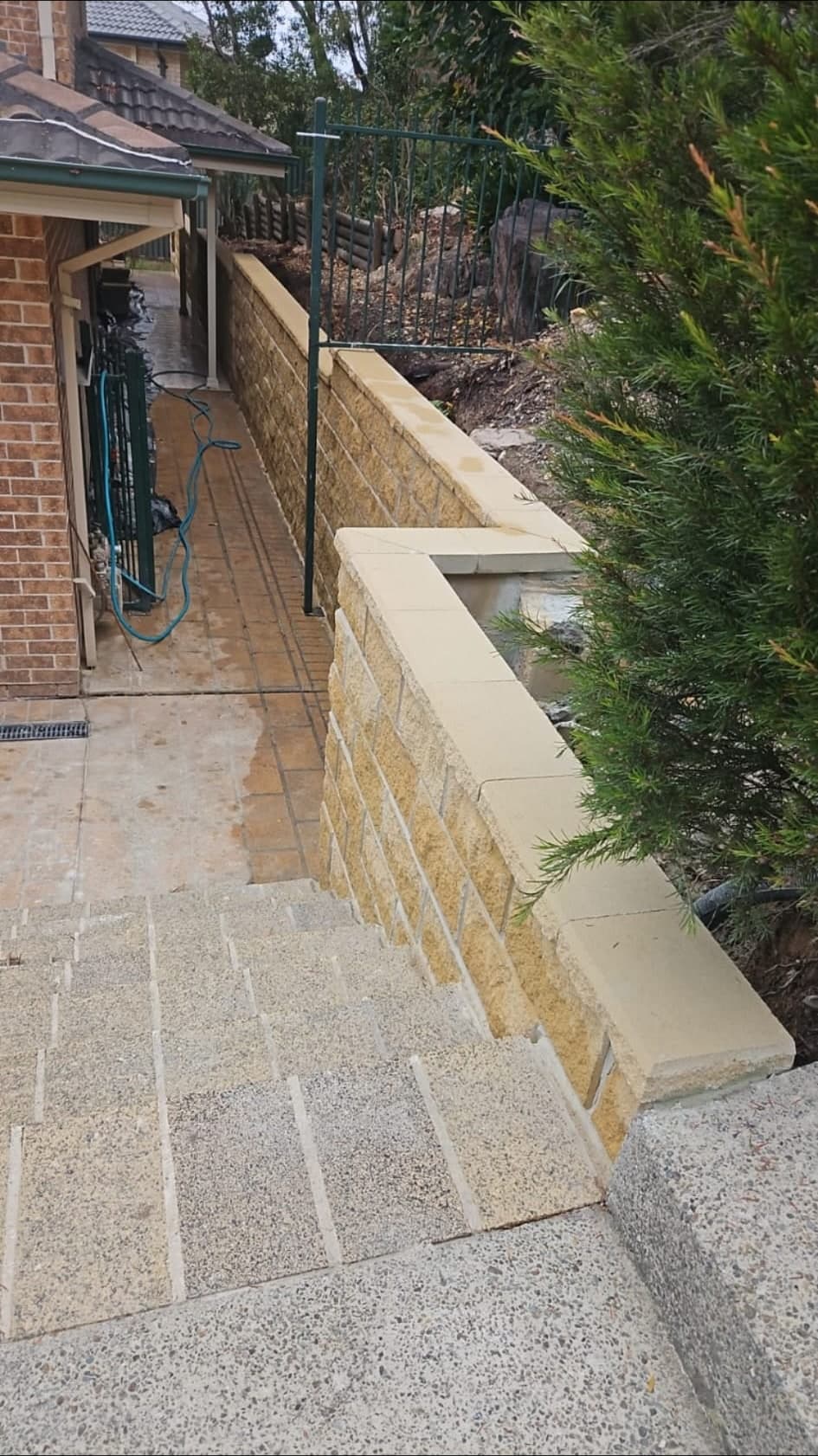
Failing cracked besser block retaining wall rebuilt in Hornsby Heights using new blocks in the same style.
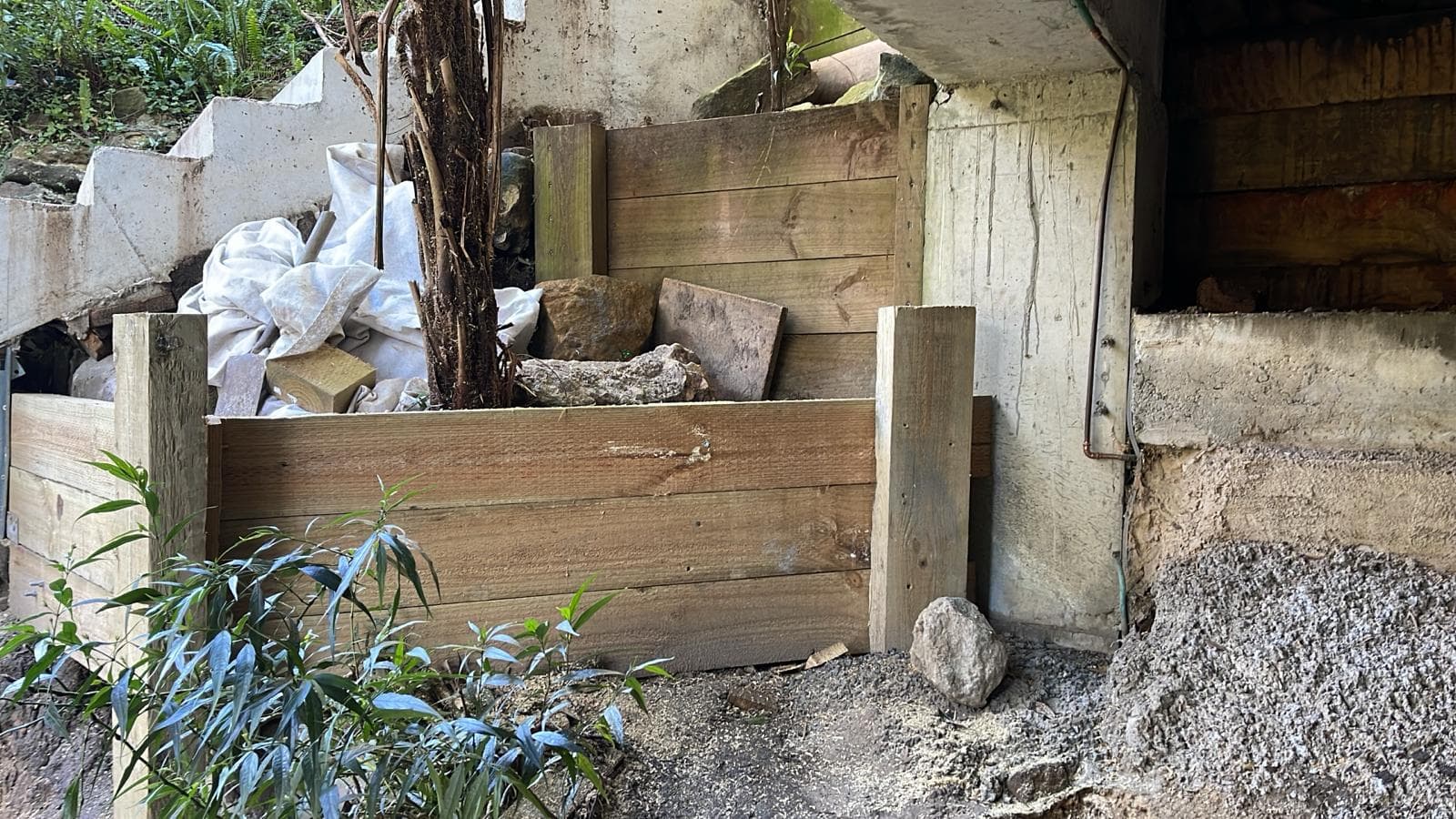
Timber retaining wall and drainage system built on a steep block in Wahroonga. Photos showing excavation, construction, and finished wall.
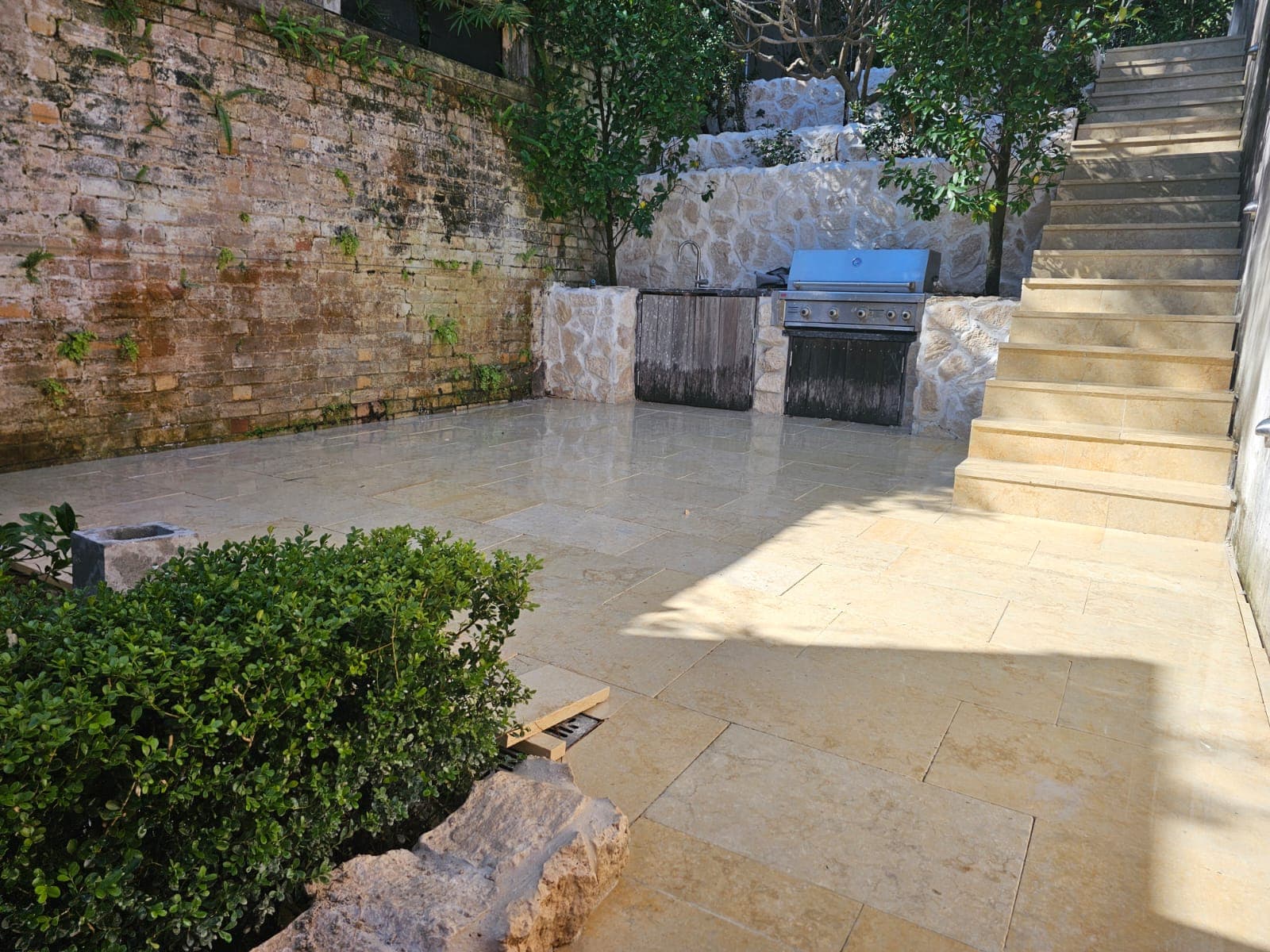
Sinking pavers and old retaining-wall cladding replaced in North Sydney, with drainage issues repaired as part of the landscaping makeover.
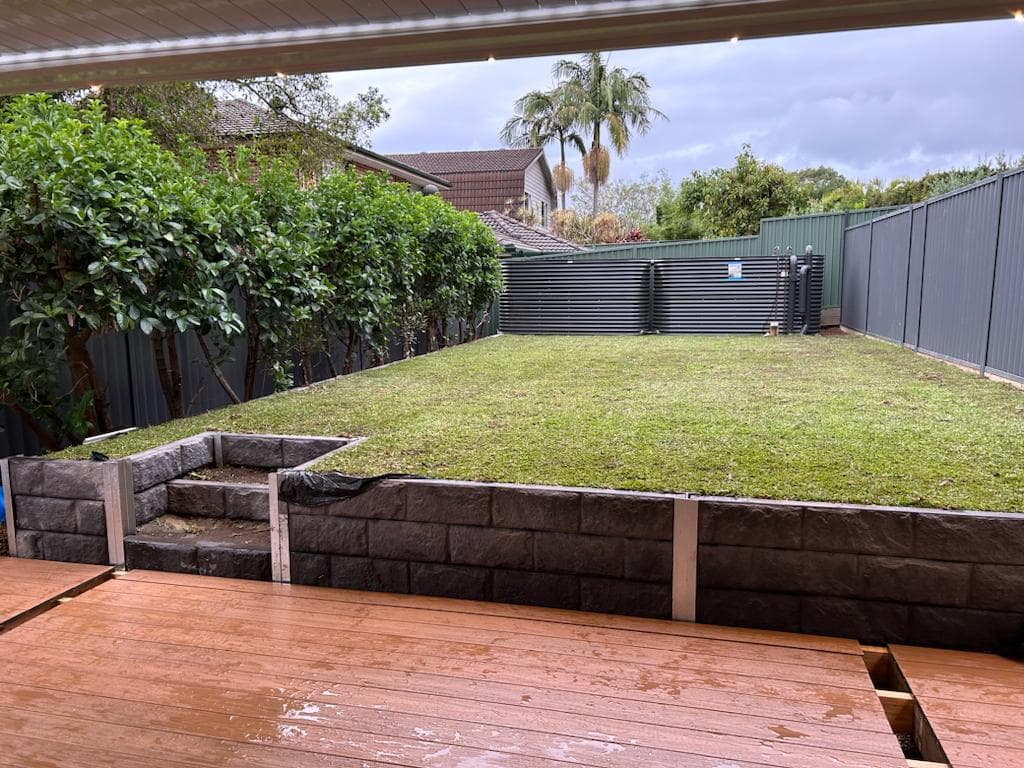
Concrete sleeper wall, new turf, and garden edging installed at a Ryde property. Before-and-after photos from this landscaping job.
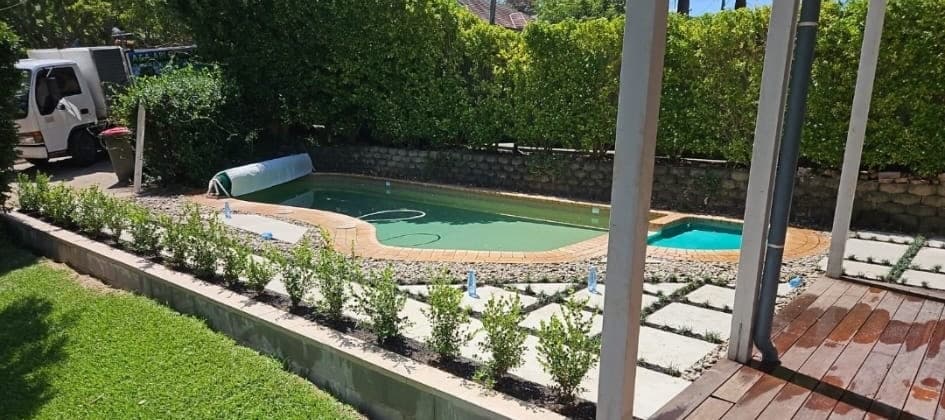
Old paving removed and replaced in Artarmon with corrected drainage, a new retaining wall, and a planted side garden bed beside the pool.
Recent Google reviews of Abloom Landscaping & Gardening, across all of our work, each with the date it was posted.
Abloom Landscaping & Gardening on Google4.9/5 from 47 Google reviews

“Great job with the lawn and garden maintenance. Everything was completed properly and the property was left clean and tidy.”

“Abloom Gardening helped us with our garden, and the team was easy to work with throughout the project.”

“Highly recommend Chad and the team! They completely transformed our backyard and paid incredible attention to every detail. From start to finish, they were professional, reliable, and an absolute pleasure to work with. The whole space looks amazing and the yard has honestly never looked better. Thanks again for the fantastic job and couldn’t be happier with the result!!”
Reviews from Google. Showing recent 5-star reviews.
From checking the slope and the water to finishing the new wall and the garden around it.
Step 1
We measure the levels, check the soil and drainage, and look at what sits above and below the wall. Anything likely to need council or an engineer gets flagged then.
Step 2
The written quote sets out the wall, the material, footing, drainage, backfill, price and any engineering or approval work needed.
Step 3
We dig the footing trench, pour or compact the base, build the wall in courses or panels, install ag-pipe and gravel backfill behind it, and set the weep holes or discharge points. The site stays tidy and safe while we work.
Step 4
We complete the backfill, compact in layers and finish the surrounding area as agreed. We walk the wall with you and check the drainage is running. Where the quoted job included engineering or an approval, you get those documents at handover.
What people ask on the quote visit, answered from the walls we have built.
A lean usually means the posts have rotted or moved, or water has built up behind the timber, so bracing the face rarely lasts. In Mosman we took out the failing timber walls, rebuilt the lighter sections in new timber and the heavier ones in rendered besser block, and put drainage behind both.
Usually ag-pipe in a bed of gravel behind the wall, weep holes or another outlet, and a discharge point that takes the water away from the house and the neighbours. On the steep Wahroonga block the ag-pipe and drainage gravel went in behind the timber before it was backfilled. Our retaining wall drainage guide explains why it matters.
The height, the load above the wall and the access decide it before the look does. Timber suits lower walls and garden terraces; reinforced block suits taller or heavier sections and can be rendered; sandstone suits a natural stone finish where the stone can get in. In Hornsby Heights a cracked besser block wall beside the house was rebuilt in matching blocks. The retaining wall guide compares the options.
Photos of the whole slope, not only the face of the wall: the ground above and below, the way in for machines and materials, any paving or structures nearby and anywhere water sits after rain. A rough height and length of the wall helps us plan the visit.
Plain guides to the work, what shapes the price and what to plan for
 Retaining WallsWhy drainage matters behind a retaining wallA retaining wall has to manage the ground and the water behind it. These checks help explain why drainage belongs in the wall plan from the start.Retaining WallsChoosing a retaining wall for a Sydney gardenTimber, block and sandstone suit different sites. The right starting point is the ground, the drainage, the load and the finish the garden needs.
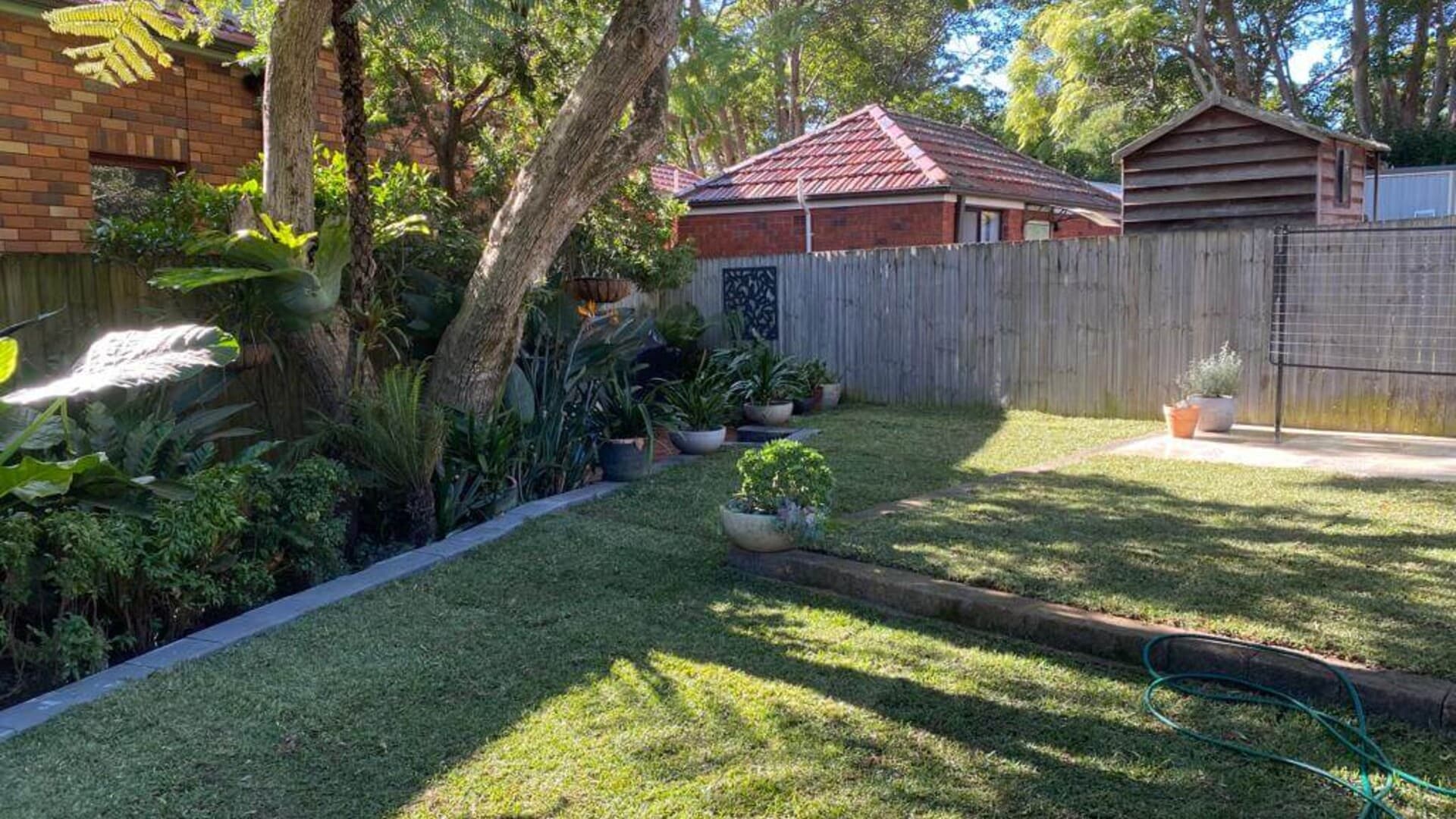 Pricing GuideWhat changes the price of landscaping in Sydney?Landscaping costs in Sydney change with site access, soil, levels, drainage, materials, planting, and how much preparation is needed before the visible work begins.
Suburb pages where we have finished retaining wall jobs, and every region we cover.
Call Sam or Chad, or send photos of the wall and the slope behind it.
NSW contractor licence 291815C (Structural Landscaping)
47 Google reviews
What to include