What changes the price of paving in Sydney?
What affects paving costs in Sydney, from material choice and base preparation to drainage, access, edging and how complex the layout is.
In this guide
Contents
Key takeaways
- Preparation and drainage often matter more than the paver material price.
- Complex layouts and access can significantly increase labour time.
- Good paving should be stable, well-drained, and easy to maintain.
Paving costs in Sydney depend on more than the pavers themselves. The real pricing variables usually sit in preparation, drainage, access, detailing, and the complexity of the finished layout.
The paver is only part of the price
Homeowners often focus on the paver price first, but the finished material is only one part of the total paving cost. Site preparation, excavation, base work, drainage, cuts, edges, and access can all influence the final figure significantly.
That is why two paving quotes for the same square metre area can look very different. One site might be flat and straightforward, while another needs demolition, drainage correction, retaining, or detailed pattern work before the new surface can go down properly.
What the quote should show you
| Quote item | What to check |
|---|---|
| Excavation | How much existing surface, soil, or failed base will be removed |
| Sub-base | Depth, compaction, and material suited to foot traffic or vehicles |
| Drainage | Falls, channel drains, ag-pipe, or changes near doors and low points |
| Edge restraint | Concrete, aluminium, or fixed edging to stop movement |
| Cuts and pattern | Curves, borders, steps, and detailed layouts add labour |
| Waste | Whether old pavers, soil, and packaging leave the site |
| Finish | Joint sand, clean-down, sealing advice, and handover |
What these jobs actually involved
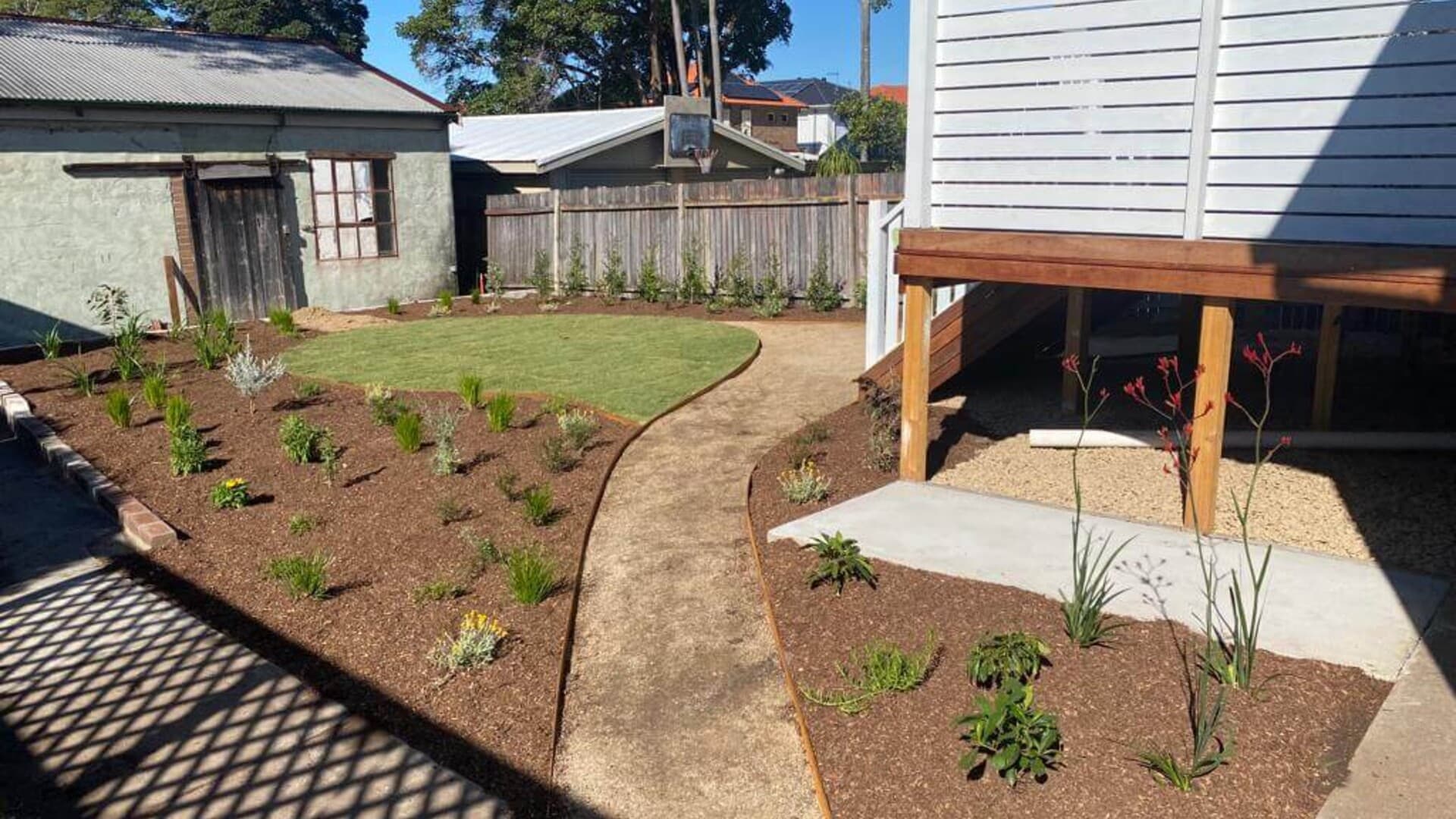
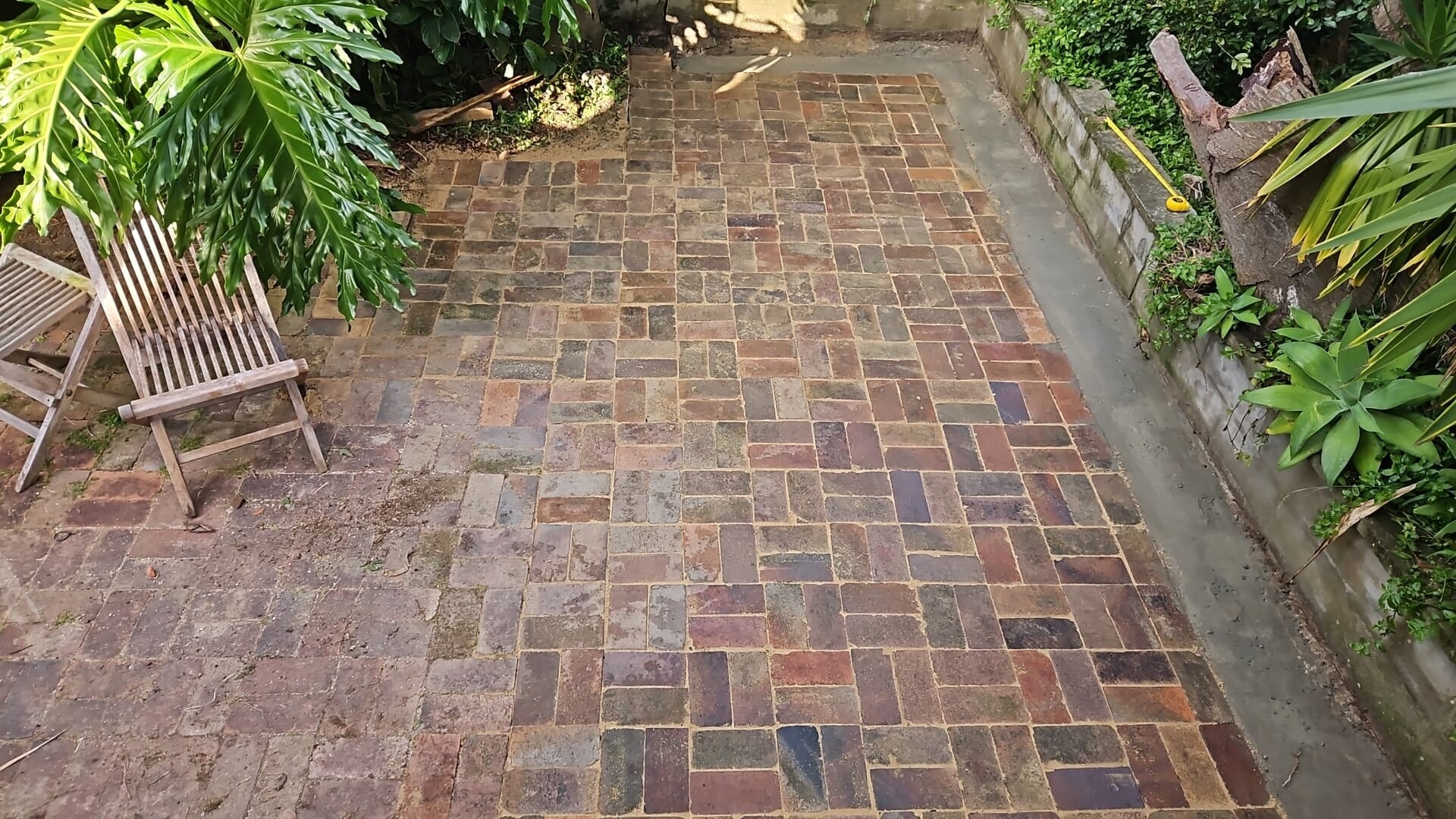
On the North Sydney paving and retaining-wall cladding project, old sinking pavers and retaining-wall cladding were removed and replaced, with drainage issues fixed across the courtyard, steps and side passage. On the Balgowlah paving restoration, the key work was lifting sunken pavers, rebuilding the failed bedding and relaying the surface so it sat level again. On the Naremburn pathway project, the paving needed to provide safe, usable access through the garden. Those jobs show why square metre pricing alone can be misleading.
If the base has failed, the quote must fix the base. If water is pooling, the quote must explain drainage. If the paved area connects to turf or garden beds, the edge detail should be included.
The base is where quotes really differ
Most paving problems start below the surface. If the base is shallow, poorly compacted, or not graded properly, the pavers can rock, sink, spread at the edges, or hold water. The finished paver might be perfectly good, but the surface still fails because the structure underneath was not built for the site.
For driveways, the base needs to handle vehicle load. For side paths, it needs to deal with runoff and narrow access. For patios, it needs to meet thresholds and garden levels cleanly. That is why a proper paving quote should describe preparation, not just material.
When paving belongs in a landscaping job
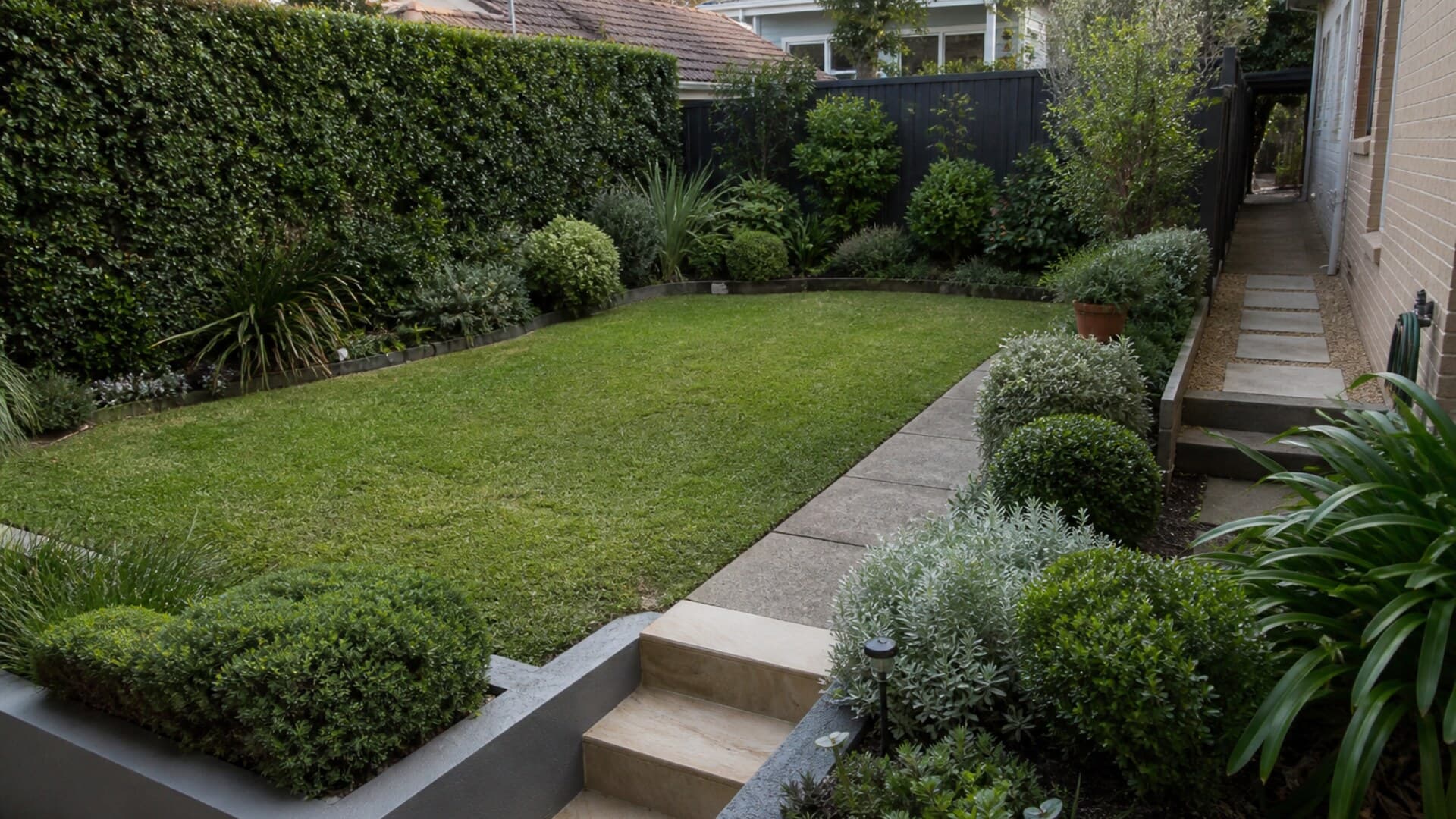
Paving often connects to turf, planting, retaining walls and drainage. If the job changes the wider outdoor layout, it may make more sense to plan it as landscaping with paving included. That helps levels, edges and water movement line up with the finished garden.
What usually pushes the price up
Complex layouts, curved edges, steps, tight access, premium pavers, and difficult falls all add labour time. So does any job where the existing base is poor or water already sits against the house or in low spots. In those cases, the cost is not just about making it look good, but making sure it performs properly once installed.
Smaller paved areas can also have a higher rate per square metre because setup, cutting and detailing still take time even when the total area is modest. Looking at all the work in the quote, rather than just the area, usually gives a more accurate picture.
What you do not see is what fails
The parts of a paving job you do not see are often what determine whether the surface stays level and drains correctly. A cheap quote that skimps on preparation can lead to rocking pavers, ponding water, movement at the edges, or premature repair work.
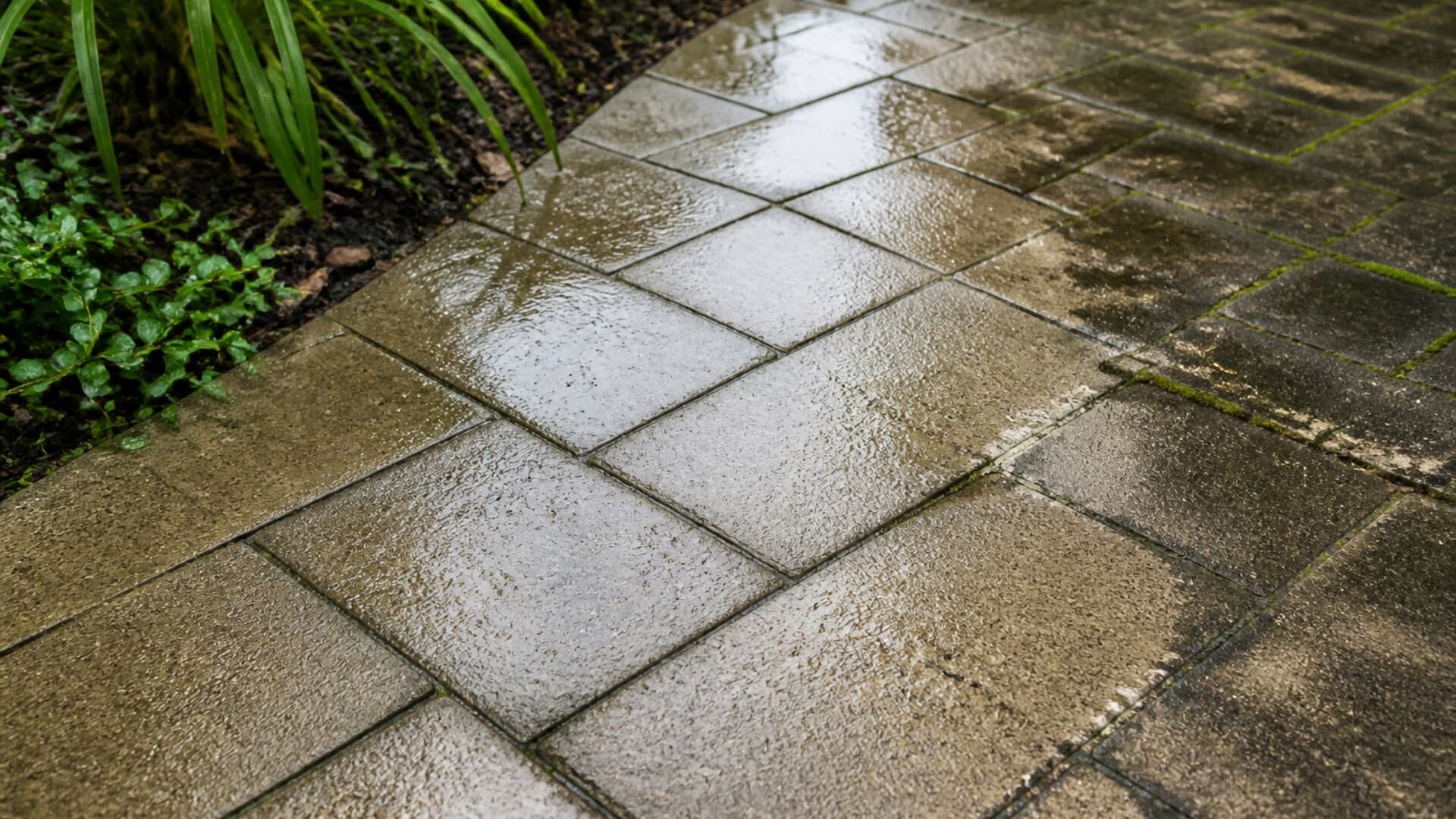
Good paving should feel stable underfoot and be easy to maintain. That depends on the base, bedding, edge restraint and water management being handled properly from the start rather than treated as optional extras. Ongoing high-pressure cleaning can also help keep the finished surface looking its best over time.
How to compare paving quotes
When reviewing paving costs, ask what preparation is included, whether drainage adjustments are allowed for, which material has been quoted and whether waste removal and finishing are covered. Those are the areas where quotes often differ.
Abloom Landscaping & Gardening has been quoting paving around actual site conditions and intended use since 1995, whether you are upgrading a path, patio, courtyard, or entertaining area. A site measure is usually the quickest way to turn a rough budget idea into a realistic project figure.
What to have ready
Rough out the area, think about how the paving gets used, and photograph the low spots, cracked sections, rocking pavers, edges that have spread, and anywhere water sits after rain. Tell us whether it has to carry a car, meet the lawn, or tie into a bigger job in the yard.
If you already have a paver in mind, send the product name, size and finish. We may still suggest something else if the site needs a different load rating, slip rating or edge detail, and we will explain why.