Why pressure cleaning makes outdoor areas easier to look after
When pressure cleaning is worth doing around a Sydney home, from slippery paths and stained driveways to weathered paving, walls and entertaining areas.
In this guide
Contents
Key takeaways
- Cleaning improves presentation, grip, and the life of hard surfaces.
- The right pressure and technique matter more than brute force.
- It is often most valuable before inspections, entertaining, or winter.
High pressure water cleaning can restore driveways, paving, walls, and outdoor entertaining areas, but the real value is not just appearance. It also improves safety and makes ongoing maintenance easier.
It lifts the whole property straight away
Outdoor surfaces collect grime slowly, which is why many Sydney properties start looking tired without the owner noticing the change day to day. Driveways darken, pavers stain, retaining walls mark up, and patios lose the cleaner colour they had when first installed.
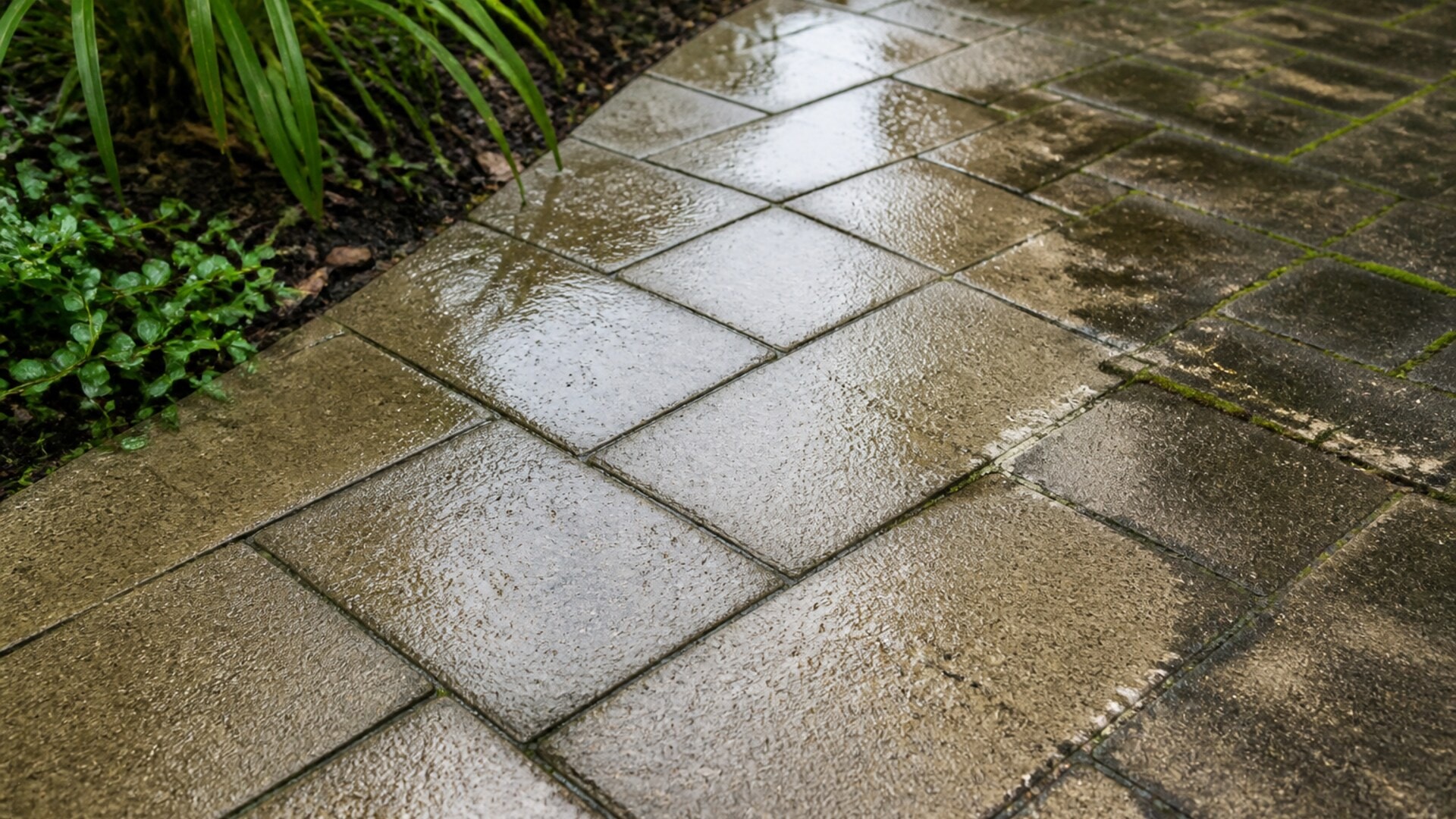
A professional high pressure water clean can lift those surfaces quickly. It removes built-up dirt, algae, leaf tannin stains and general weathering so the property looks brighter and better cared for without any construction work.
Slippery paths are the real reason
The biggest benefit is often safety rather than appearance. Moss, algae and grime create slippery conditions on paving, pool surrounds, steps and paths, especially in shaded or damp parts of the garden. Those areas are common slip points for kids, older family members and visitors.
Cleaning those surfaces properly helps restore grip and reduces the chance of minor hazards becoming a real problem. It is particularly worthwhile before winter, after long wet periods, or before putting a property on the market.
It helps the surface last
Regular surface cleaning can also reduce the wear that comes from organic buildup. Dirt and growth trap moisture against paving, timber, walls, and concrete, which can shorten the life of finishes or make repairs more likely later.
High pressure cleaning is also useful before sealing, repainting, or re-staining exterior surfaces because it gives those follow-on works a cleaner base. The key is using the right pressure and technique for each material so the surface is cleaned without being damaged.
Match the method to the material
The best result comes from matching the machine, pressure, nozzle, and working distance to the surface. Concrete driveways can usually handle more force than sandstone, timber, render, or older pavers with loose jointing. A one-pressure approach can clean quickly but it can also etch soft stone, raise timber grain, or wash jointing sand out of paved areas.
| Surface | What usually needs attention | Why technique matters |
|---|---|---|
| Concrete driveways | Oil, tyre marks, mildew, and road grime | Higher pressure may be suitable, but old stains may need pre-treatment |
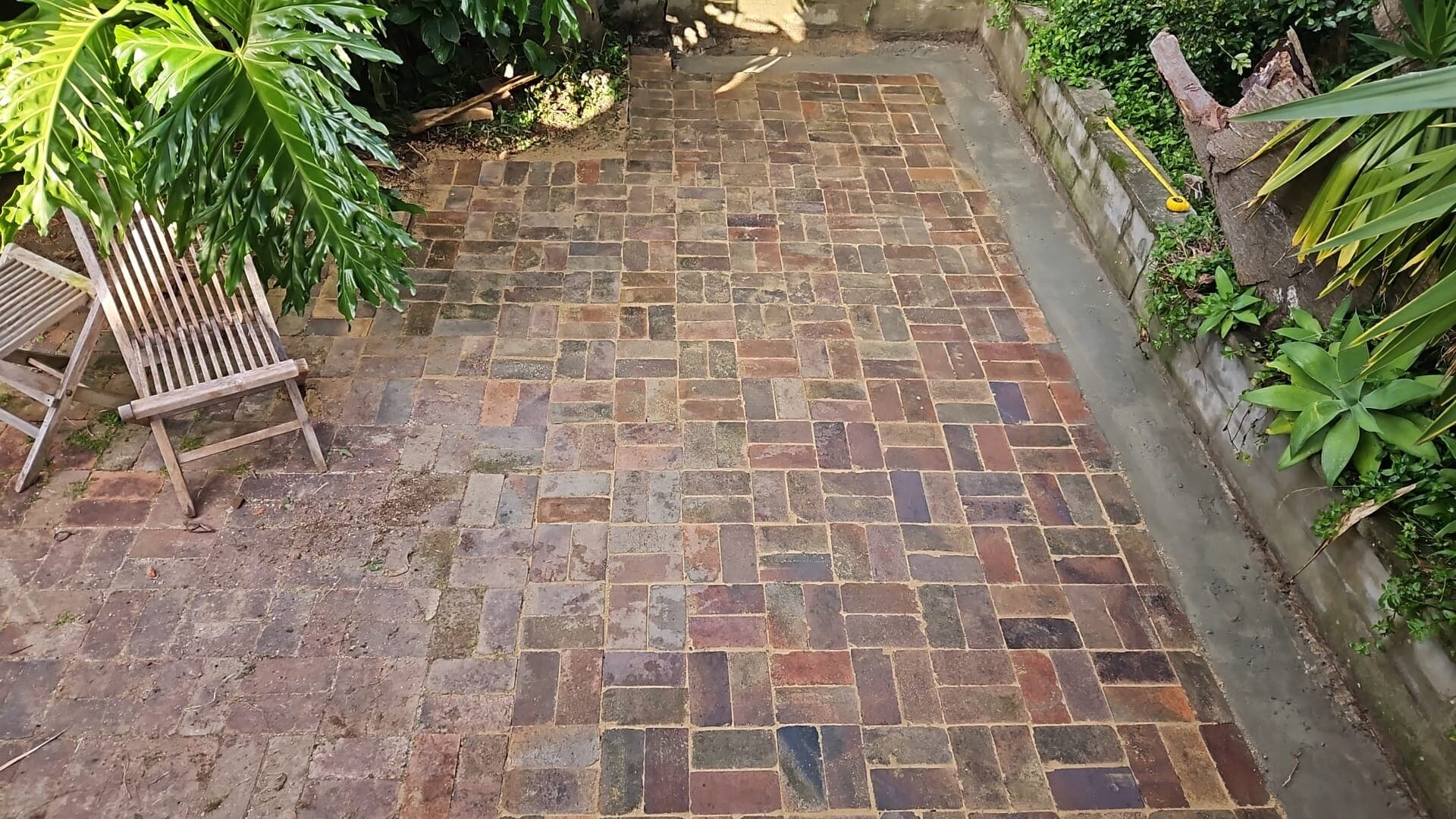
| Paved paths and patios | Algae, moss, leaf tannin, and dirty joints | Poor technique can loosen joints or expose a weak base |
| Sandstone and brick | Weathering, organic growth, and staining | Softer surfaces need lower pressure and a wider fan |
| Timber decks | Slippery boards, grime, and faded finish | Too much pressure can damage fibres and leave visible marks |
| Walls and fences | Mould, dust, splash marks, and surface staining | Runoff and nearby planting need to be protected |
When to bundle it with other work
Pressure cleaning often works best alongside a wider garden tidy-up. If the paving has moved, cleaning will make it look better but will not fix the base. If garden beds are overgrown, a clean path can still look unfinished until the edges, hedges and leaf litter are handled as well.
For that reason, many homeowners combine pressure cleaning with a garden clean up, paving repair, or scheduled garden maintenance. The order matters. Heavy pruning and green waste removal should usually happen before cleaning so the finished surface is not covered in debris again the next day.
What to ask before booking
Ask which surfaces will be cleaned, whether oil or mould pre-treatment is included, how nearby plants will be protected, and whether the quote includes a final rinse-down of adjoining areas. If the job involves pavers, ask whether re-sanding is needed afterwards.
The answer should be specific to your property. A shaded Mosman path, a concrete driveway in Hornsby, and a sandstone courtyard near the coast do not need the same approach.
Photos set expectations early
Before booking, take photos of each surface in daylight, including close-ups of staining, moss, loose pavers, cracked grout, timber wear, and any areas where water sits. Photos help the crew identify whether the surface needs a simple clean, a slower low-pressure method, or a repair before cleaning makes sense.
Photos are also useful after the work. They show whether the job removed grime, improved grip, and lifted presentation, and they make it easier to plan the next clean before surfaces become slippery again.
When people usually book it
Many homeowners book high pressure cleaning before inspections, parties, or seasonal tidy-ups, but it is equally useful as part of regular property care. If the driveway is marked, the patio looks dull, or shaded paving is becoming slippery, the work is usually overdue.
Abloom Landscaping & Gardening has been providing high pressure water cleaning across Sydney since 1995 for driveways, paths, walls, and outdoor living areas. A site quote helps confirm which surfaces are suitable, what result to expect, and whether the cleaning should be combined with broader garden or maintenance work.
What to send through
List every surface you want done, flag any soft stone, loose pavers, timber, render or old grout, and photograph the worst of the staining in daylight.
Then tell us the deadline. Whether the clean has to be finished before listing photos, an open home, a party or a bigger garden tidy-up usually decides the order we do the work in.