What changes the price of garden maintenance in Sydney?
What affects garden maintenance costs in Sydney, how regular visits are priced and what to compare before accepting a quote.
In this guide
Contents
Key takeaways
- The garden condition, the jobs included and visit frequency drive most quote differences.
- A cheaper price can hide excluded extras like waste removal or pruning.
- Regular maintenance usually costs less than repeated catch-up jobs.
Garden maintenance prices in Sydney change with the size and condition of the garden, access, how often you need a visit and how much catch-up work is required. To compare quotes properly, start by checking exactly which jobs are included.
What actually shapes the price
Garden maintenance pricing is driven less by the postcode and more by the condition of the property. The main variables are garden size, lawn area, hedge volume, planting density, access, and whether the job is routine upkeep or a catch-up visit after months of growth.
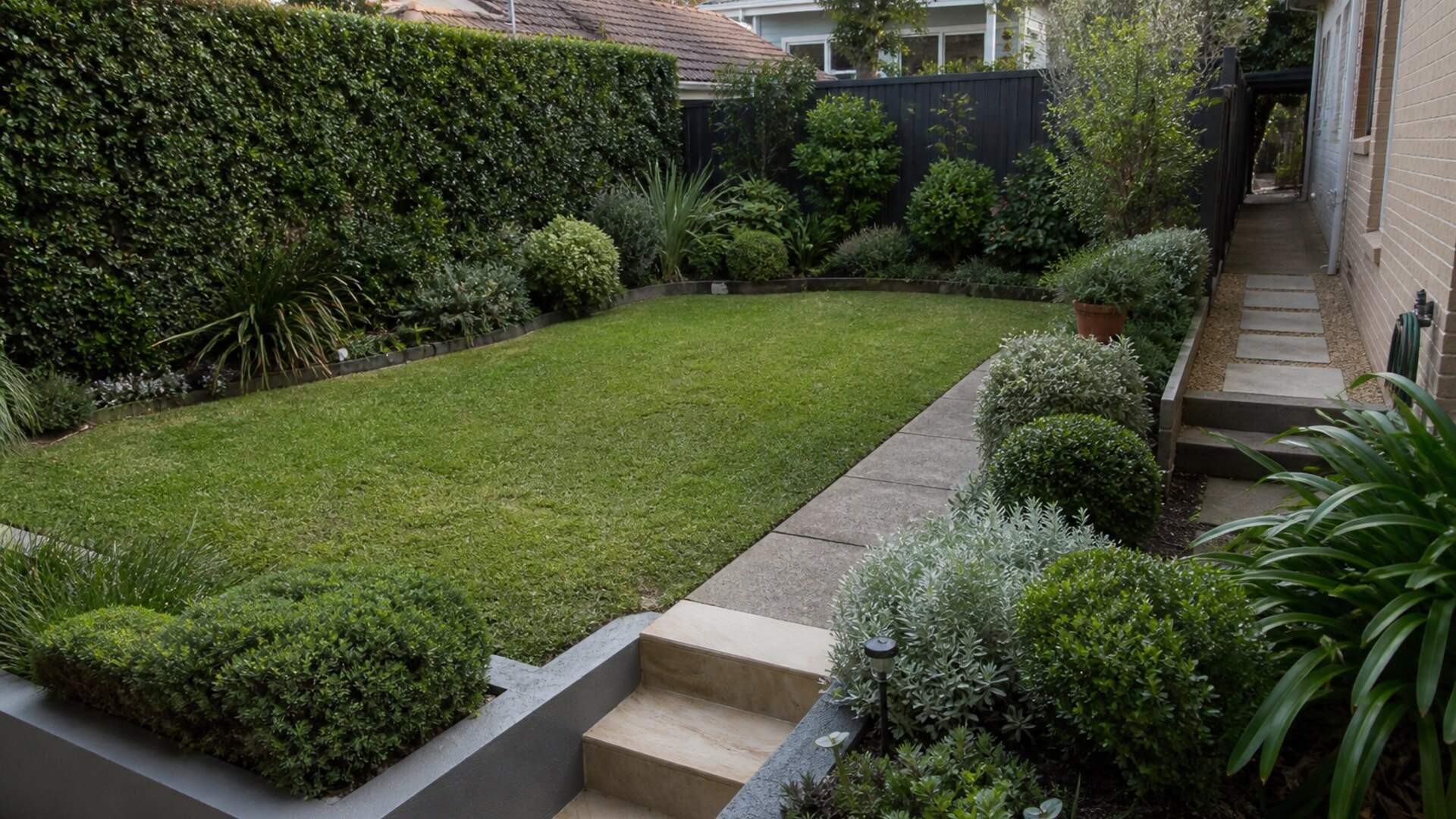
A compact courtyard that only needs mowing, edging and a light tidy will price differently to a larger family block with several hedges, heavy weeding, pruning and green waste removal. The clearer the list of jobs, the easier it is to compare quotes fairly.
How gardeners around Sydney price it
Around Sydney, you may see hourly pricing or a fixed quote for agreed work. Abloom gives you a written fixed price rather than charging a day rate, so you know what the visit includes before we start. For regular maintenance, the quote gives you the agreed price for each visit.
The jobs can still change with the season. A garden may need more hedge, lawn and weed work through spring and summer, then more pruning and clean-up through the cooler months. We talk about those changes with you rather than quietly adding extras.
The main things that change the number
The most useful maintenance quote is not the cheapest hourly number. It is the quote that explains what the crew will do, how often they will come, and what is excluded. Use the factors below when comparing quotes.
| Cost factor | Why it changes the quote |
|---|---|
| Garden size | More lawn, beds, hedges, and paths take longer to maintain |
| Current condition | A maintained garden is faster than a neglected one |
| Visit frequency | Shorter gaps usually keep each round of work smaller than irregular call-outs |
| Hedge volume | Tall, long, or formal hedges add trimming and waste time |
| Access | Stairs, tight side paths, limited parking, and long carry distances add labour |
| Green waste | Large volumes need loading, transport, and disposal |
| Extras | Heavy pruning, planting, mulch, turf repair, and pressure cleaning should be itemised |
Three very different jobs, often compared as one
A light regular visit might include mowing, edging, weeds and a quick bed tidy. A larger catch-up visit might include heavy hedging, overgrowth removal, green waste and pruning. A garden improvement job might include planting, soil, edging, turf, drainage or paving.
These should not be priced as if they are the same job. If a quote for garden maintenance looks unusually cheap, check whether it leaves out the work that actually matters to the property.
When you are ready to book
If you are comparing prices, this guide explains what changes the quote. If you are ready to book regular care, start with Garden Maintenance Sydney. That page covers the jobs we handle and how often we may need to visit after seeing the garden.
Questions worth asking before you accept
Ask whether the price includes green waste removal, how long each visit is expected to take, which jobs are included every time and which are extras. If the garden has been let go, confirm whether the first visit is a larger tidy-up before regular maintenance starts.
It is also worth asking how the schedule changes through the year. A sensible garden maintenance plan may need more attention in spring and summer, then a different focus in winter. The price should make room for real growth conditions rather than locking every visit into the same task list.
Why photos alone can mislead
Photos help, but they rarely show access, slope, weed depth, hedge volume, green waste, drainage issues or how quickly the garden grows. For regular care, an on-site look usually gives a more accurate starting frequency and avoids underquoting the first visit.
Regular visits usually work out cheaper
Ongoing gardening usually provides better value than repeated one-off rescues. Once the garden is brought into shape, regular visits take less time because the lawn stays manageable, hedges hold their line, and weeds are dealt with before they spread through the beds.
That does not mean every property needs a short interval. The right frequency depends on how tidy you want the garden to look, how fast things grow, and whether the outdoor areas are heavily used for entertaining or family activity.
How to compare quotes properly
When comparing garden maintenance pricing, ask what is actually included. A cheaper quote may exclude hedge trimming, green waste removal, detailed hand weeding, or seasonal pruning, which means the apparent saving disappears once extras are added back in.
Abloom Landscaping & Gardening has been quoting garden maintenance since 1995. We look at the condition of the garden, the jobs you need done and how often you want us to come, then give you a written price. Send photos or arrange a free on-site quote rather than relying on a generic hourly estimate alone.
Write the list before you ring around
Jot down the jobs you expect on every visit: mowing, edging, hedging, pruning, weeds, green waste, paths and garden beds. Then note the one-off items that should sit outside that price, such as mulch, planting, a heavy clean-up, turf repair or pressure cleaning.
That list is the fairest way to compare quotes, because everyone is then pricing the same garden and the same work.