What regular pruning does for a garden
What regular pruning does for plant health, shape and safety in a Sydney garden, and when it is worth handing the job over.
In this guide
Contents
Key takeaways
- Pruning supports plant health by improving airflow and light.
- Regular cuts keep size and shape under control with less stress.
- Timing matters if you want to protect flowering and recovery.
Regular pruning does more than tidy plants up. It improves structure, light flow, flowering performance, and long-term manageability across shrubs, hedges, and feature planting.
It keeps the plant healthy
Removing dead, damaged, or crossing growth helps plants put energy back into healthy structure. It also improves airflow and light penetration through the canopy, which can reduce the damp, crowded conditions that often contribute to fungal issues and weak growth.
That leaves shrubs, climbers and hedges easier to manage and better able to recover after growth spurts. Regular pruning also makes it easier to spot early signs of stress before a plant declines too far.
It keeps shape and size under control
Many Sydney gardens rely on screening plants, boundary hedges, and ornamental shrubs as part of ongoing garden maintenance to create privacy and structure. Without pruning, those plants quickly lose definition, push into paths, block light, or start leaning into fences and neighbouring space.
A planned pruning cycle keeps that growth controlled without having to cut everything back aggressively. That is usually the difference between a garden that feels refined and one that constantly looks like it is overdue for attention.
Timing matters more than effort
Different plants respond best at different times of year. Some flowering shrubs should be pruned after blooming, while hedges and vigorous green growth often benefit from light, repeated trimming during active growing periods. Cutting at the wrong time can reduce flowering or leave the plant looking bare for longer than necessary.
If you are maintaining mixed planting, timing is one of the main reasons professional pruning can be worthwhile. A measured approach usually delivers a better result than applying the same cut to every plant in the garden.
Pruning, hedging and lopping are different jobs
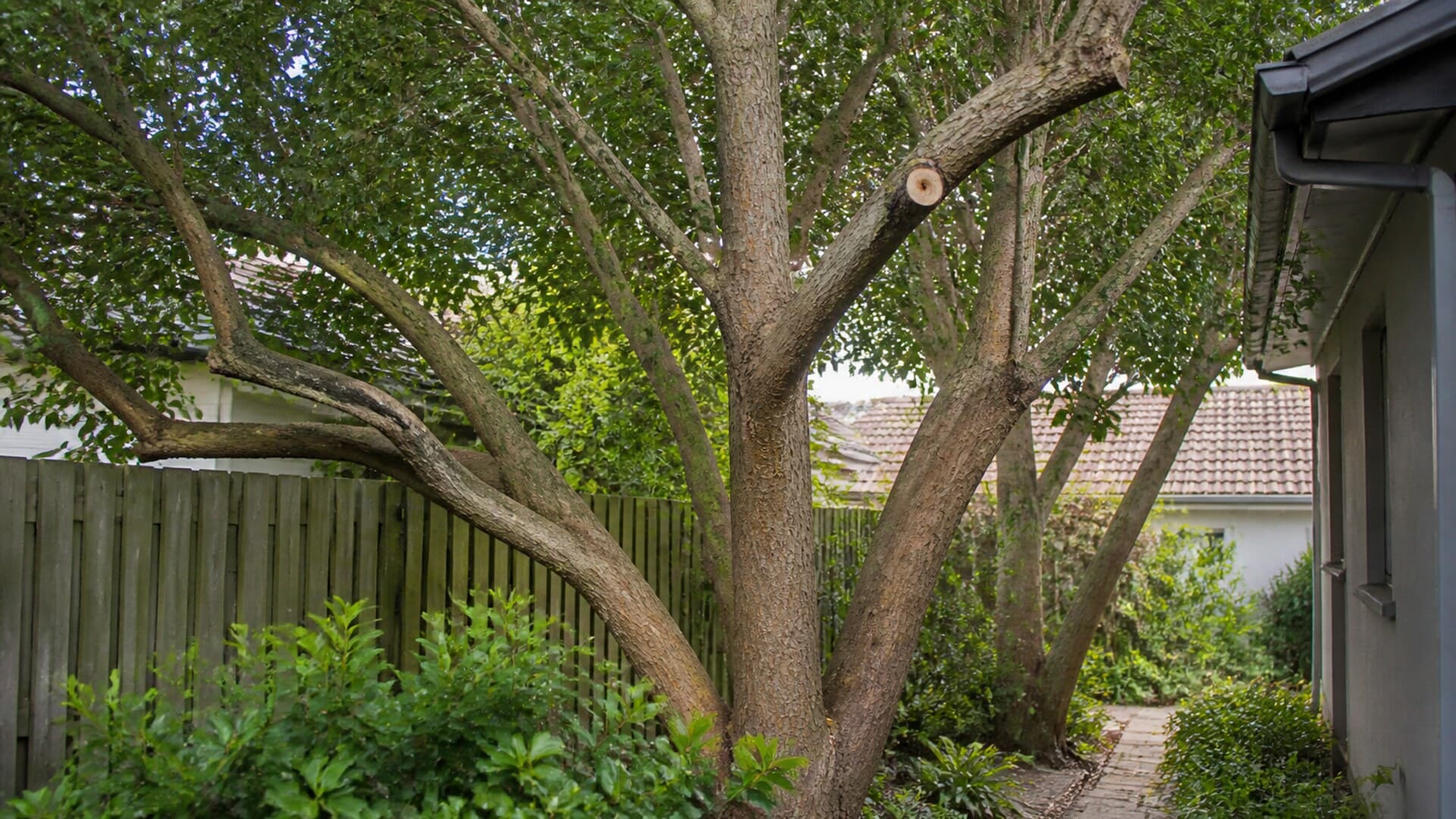
Searches for pruning, hedge trimming, and tree lopping often overlap, but the work is different. Pruning is usually plant-focused and aims to improve structure, flowering, health, or size. Hedging is about holding a boundary or screen to a clean line. Tree lopping is heavier branch reduction or clearance where canopy growth has become too large, too close to structures, or too difficult to manage safely from the ground.
| Type of work | Best used for | Where to read more |
|---|---|---|
| Pruning | Shrubs, feature planting, climbers, and plant health | Gardening |
| Hedging | Boundary lines, screens, and formal shape control | Gardening |
| Ongoing trimming | Smaller cuts during regular visits | Garden Maintenance |
| Branch reduction | Larger canopy clearance and small tree control | Tree Lopping |
Choosing the right pruning matters because the wrong cut can create extra work later. A hedge that only needs light shaping should not be treated like a neglected tree. A branch over a roof should not be approached as a simple garden bed tidy.
What a good prune looks like afterwards
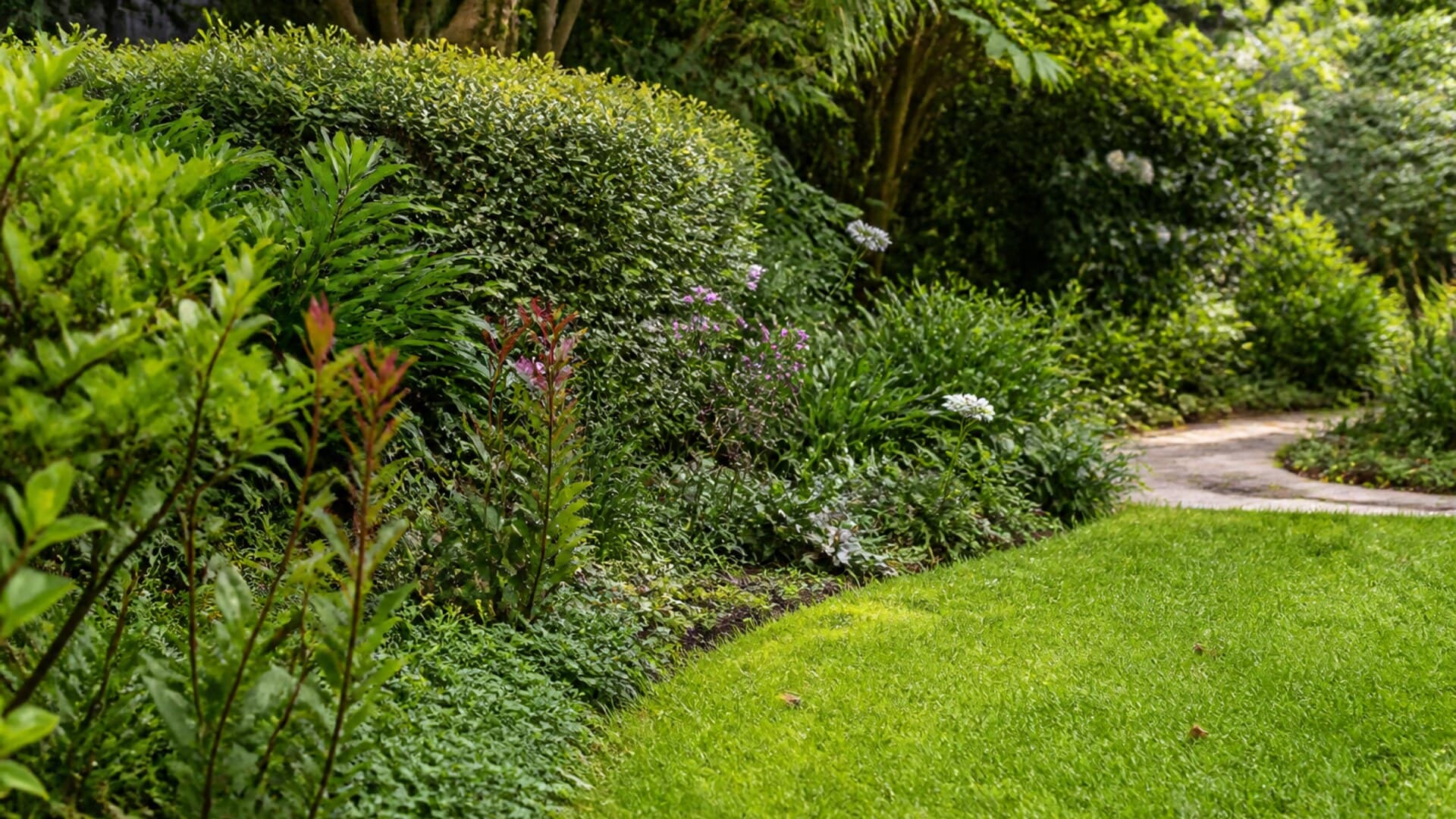
Good pruning should make the plant easier to manage without making the cut the main thing you notice. In most gardens, the best result is a cleaner shape, better light, safer access, and enough healthy growth left for recovery.
Aftercare is also part of the job. Cut material should be removed, beds should be cleared, and any changes in light or exposure should be considered. When a major cut opens a shaded bed to more sun, the surrounding plants may need watering, mulching, or replacement to suit the new conditions.
Signs the garden is overdue
A garden is usually overdue when paths are closing in, windows are losing light, hedges have heavy outer growth with bare centres, shrubs are rubbing against fences, or flowering plants have become a mass of older stems with little fresh growth. At that point, the job may need more than a tidy trim.
The earlier the work is done, the more choices you usually have. Light, repeated pruning can hold shape and plant health with less shock. Delayed pruning often becomes heavier reduction, more green waste, and a longer recovery period.
It makes every other visit quicker
Regular pruning makes ongoing garden maintenance faster because the garden has a cleaner structure. Mowing, edging, weeding, and bed work are easier when branches are not blocking access or dropping constant debris over the areas being maintained.
When to hand it over
If plants are overgrown, uneven, difficult to access, or close to structures and neighbouring boundaries, pruning can stop being a simple weekend task. The risk is not only the physical effort but also cutting too hard and creating a longer-term recovery problem.
Abloom Landscaping & Gardening has been handling pruning and hedge trimming for Sydney properties since 1995, with plant health, shape and safe access all taken into account. If you are unsure what can be reduced safely, it is usually worth getting advice before making major cuts.
Tell us what you are after
Photograph the whole plant as well as the branches or hedge sections bothering you, then tell us what you actually want out of it: a cleaner shape, more light, clearance off a path, better flowering, or the garden ready to go onto regular visits.
If the work sits close to gutters, paths, fences or the neighbour's side, mention that too. It changes the access and the clean-up more than most people expect.